
Close
Home » Explore » Experiences to enjoy » Parks and nature » Cala dei Santi Cave
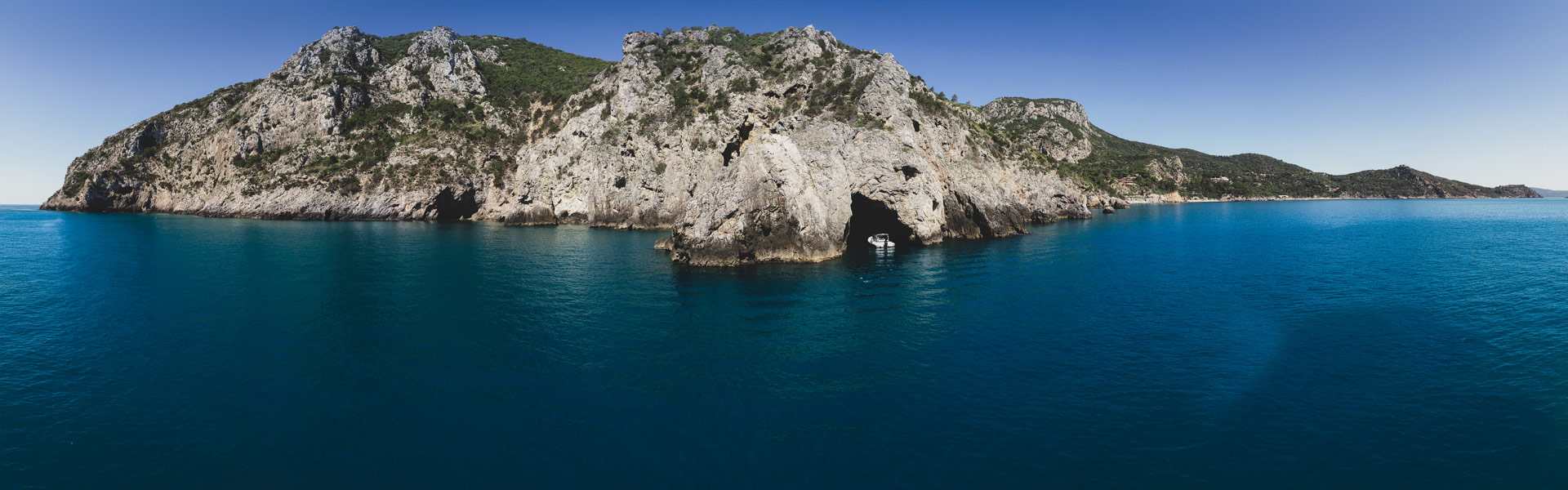
The coastal cave at Punta Avoltore in Porto Ercole provides rich evidence of stalagmite formation and an ancient Tyrrhenian marine transgression.
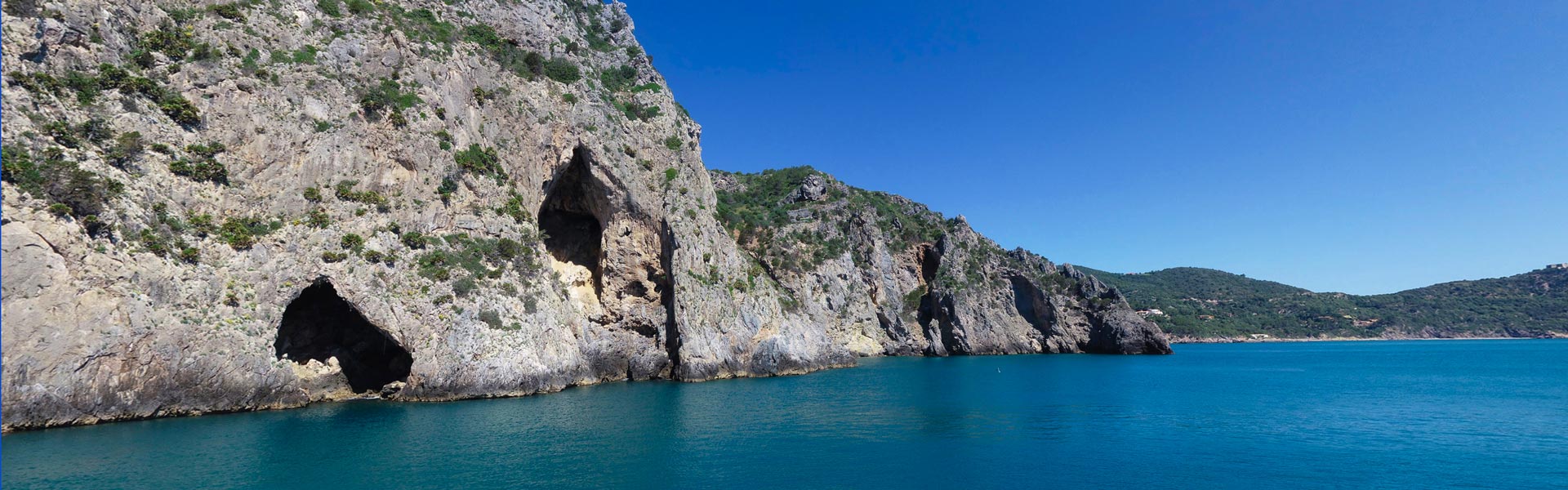
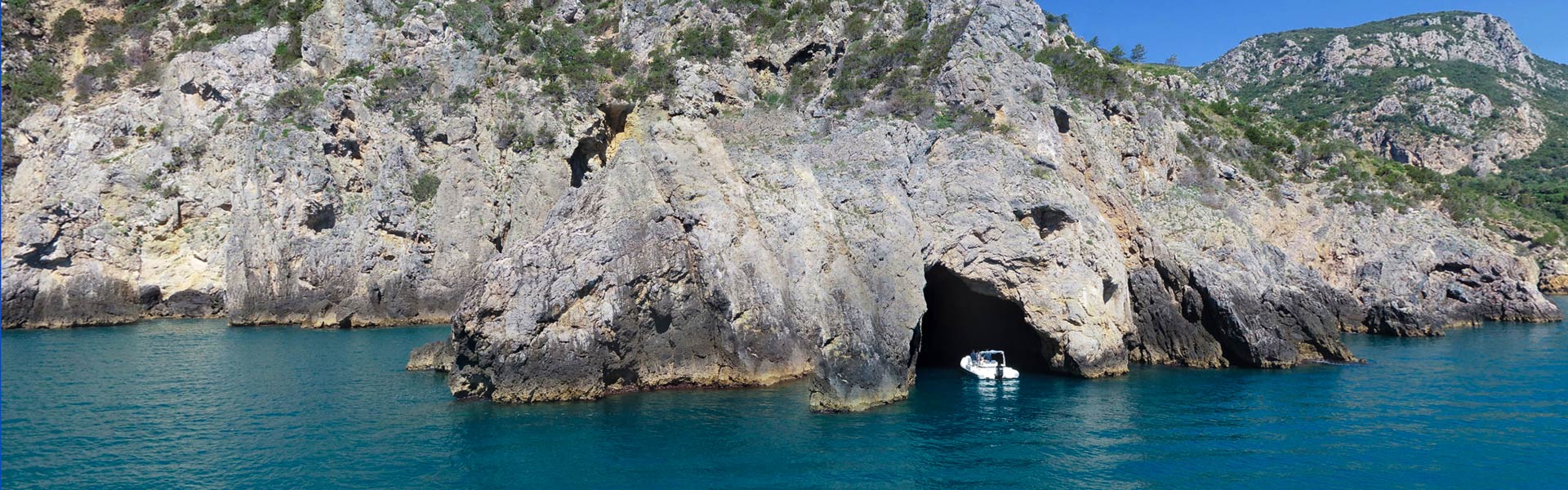
A beautiful coastal cave located within the limestone cliff below Punta Avoltore in the Porto Ercole area.
The entrance is at 5 meters above sea level, and the interior runs horizontally for about 30 meters. The ceiling of the single, vast chamber is located at about 18 meters above sea level, while the floor level is at 12 meters, with a maximum internal height of 6 meters.
The cave underwent a period of extensive stalagmite formation dating back to the early Pleistocene; remnants of this process remain, partially buried by a subsequent 8–10-meter-thick layer of sediment, which can be seen protruding toward the center of the cave.
The Tyrrhenian sea inundated the entire area, leaving visible traces of furrows and holes from lithodomes on the outer cliff face. In the small pockets concentrated among the boulders, remnants of the beach have been preserved, containing numerous species of gastropod mollusks.
The base of the fill in the left sector consists of a regressive deposit of sand, pebbles, and broken shells, within which chipped bones, stone tools, and traces of hearths have been found.
Fossils belonging to deer, ibex, fallow deer, horses, eagles, and doves have been extracted from the bone-rich breccia. There are numerous bones of domestic animals and small birds.
The Paleolithic tool industry consists mainly of medium-sized green and dark flint pebbles and brown jasper from the Tyrrhenian coast. The few well-finished items, such as points, scrapers, and cuspids, belong tothe Mousterian culture of the Pontine facies.
The top of the dune is covered by a thin, discontinuous stalagmite deposit corresponding to Wurm 3, which marks the end of the Pleistocene series. From this layer, which is the uppermost part of the cave’s fill, come theEneolithic stone artifacts, including a greenish obsidian blade and various fragments of pottery whose composition resembles that of the Apennine Bronze Age.
The discovery of ritual hearths containing sacrificial items and the presence of a piece of jewelry made from a small cowrie shell suggest that the cave served, at least for a time, as a burial site.
Accessible only from the sea, it is cataloged under number 0251 T/GR, identifiable on Sheet 135 (III SE, Monte Argentario) at coordinates 01° 15’ 47” W–2° 21’ 53” N.
The Grotta dei Santi is accessible only by sea, as there are no trails or roads leading directly to the cave. To reach it, you must take a private boat or a rubber dinghy, or join a guided boat tour, which typically departs from Porto Ercole and visits various coves and caves in the area.
The Grotta dei Santi is accessible only by sea, as there are no trails or roads leading directly to the cave. To reach it, you must take a private boat or a rubber dinghy, or join a guided boat tour, which typically departs from Porto Ercole and visits various coves and caves in the area.
The cave is not accessible to people with limited mobility or who use wheelchairs, precisely because it can only be reached by sea. Once you disembark from the boat,you enter the cave througha natural opening in the rock, which can be low and narrow. Inside, the cave is spacious, butlighting is poor and the ground is uneven. For this reason, it is advisable to be mobile and, if possible, to be accompanied by an experienced guide.
To provide the best possible experience, we use technologies such as cookies to store and/or access information on your device. By consenting to these technologies, we may process data such as your browsing behavior or unique identifiers on this site. Failure to consent or withdrawal of consent may adversely affect certain features.

