
Close
Home » Argentario
What isArgentario?
Answering this question is by no means easy. It is certainly a one-of-a-kind destination.
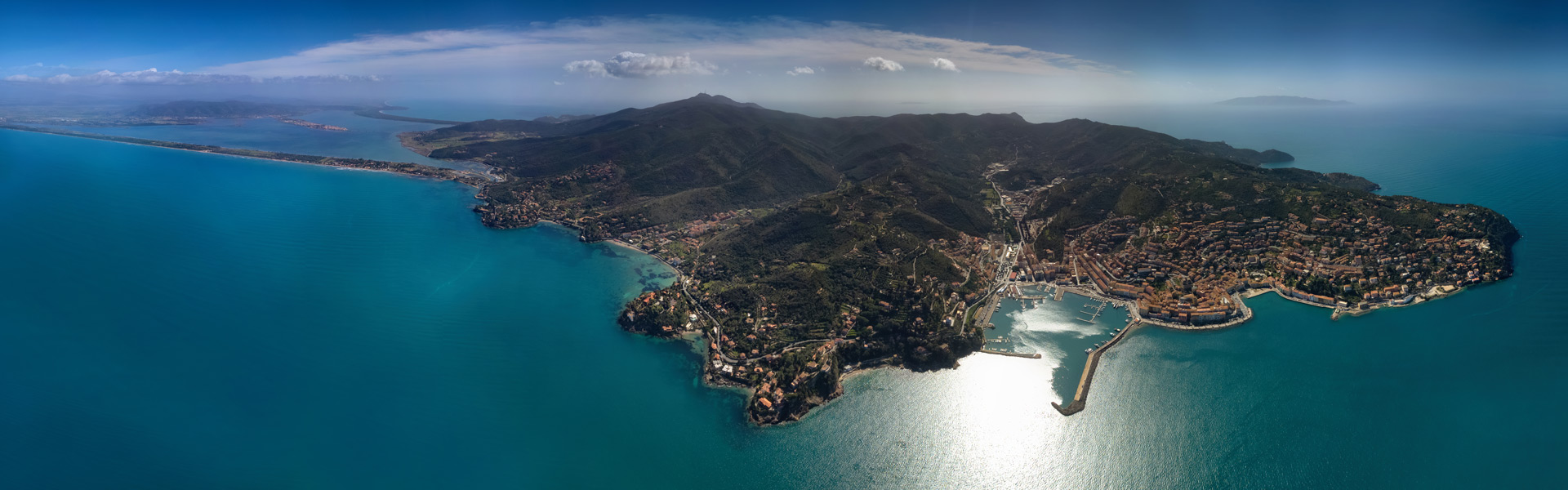
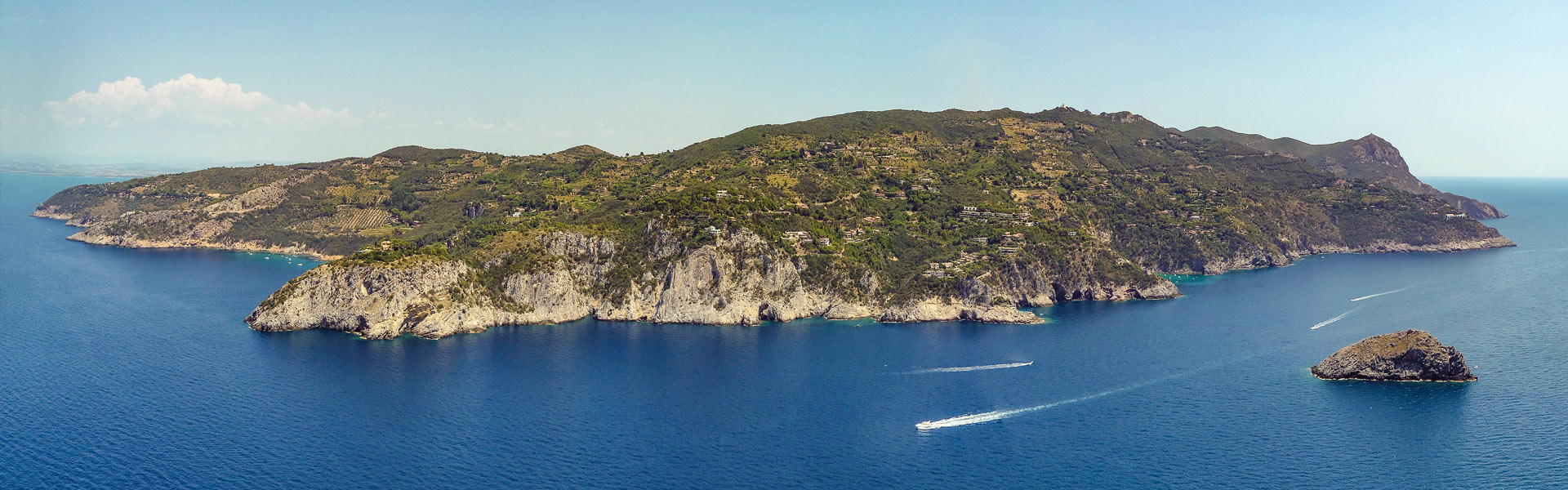
It certainly is from a morphological standpoint: a “non-island island,” diamond-shaped, rising from the waters of the Mediterranean Sea as high as a mountain, so close to the coast that it is connected to it by two narrow strips of sand, which, in turn, enclose a lagoon within them.
An extraordinary geological formation in a strategic location, in the heart of Italy and close to major international hubs such as Rome, Florence, and Pisa.
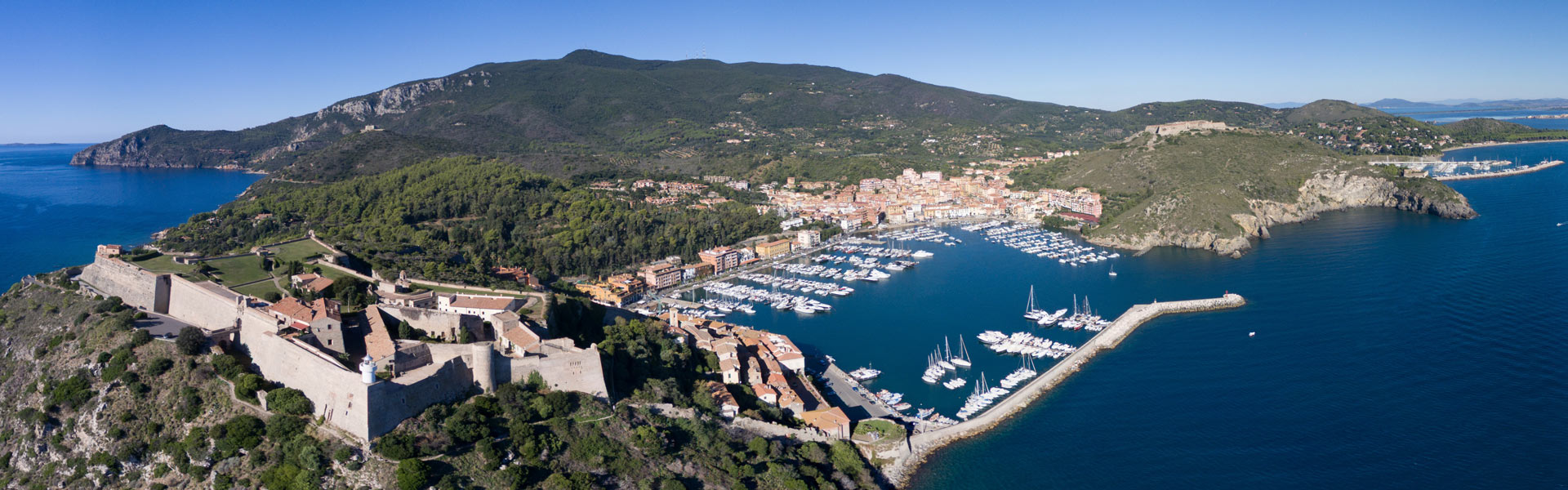
A region divided internally mainly between its two most important towns: Porto Santo Stefano, a populous and modern town to the north, and Porto Ercole, an elegant and historic town to the south. Both have always been the heart of this small strip of Tuscany—or rather, of the Maremma—known, not by chance, as the Costa d’Argento, and which also includes Orbetello, Talamone, Capalbio, and Magliano are the other main towns, along with the two islands of Giglio and Giannutri.
So far, so good, but theArgentario is not just that; it would be wrong to reduce it to a mere geographical feature—however wonderful—because it is much, much more.
In fact, there is a very specific concept of Argentario, one that is widespreadin the collective imagination, which represents not merely a territory, but a set of values, a way of being, a lifestyle with which people come to identify and to which they wish to belong.
Come to theArgentario is almost a ritual for many; it is an experience that goes beyond the journey itself because this“island that isn’t an island,”thanks precisely to its fluid landscape, manages to take on a special meaning for everyone, regardless of age.
It’s the place for those first teenage outings, for endless days on a boat chasing the sun, a peaceful retreat far from the hustle and bustle of the city, the waterfront where you push strollers and finally sit down to gaze out at the sea with lifelong friends.
In short, one way or another, you always end up coming back: theArgentario, like diamonds, is forever.
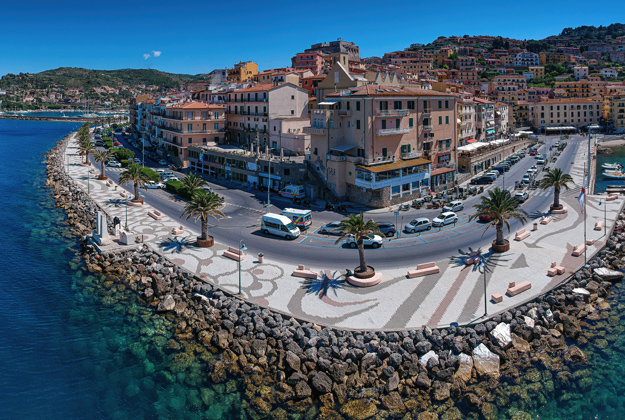
Porto Santo Stefano, a fishing village of about 9,000 inhabitants located north of theArgentario , with a unique view ofthe Tyrrhenian Sea…
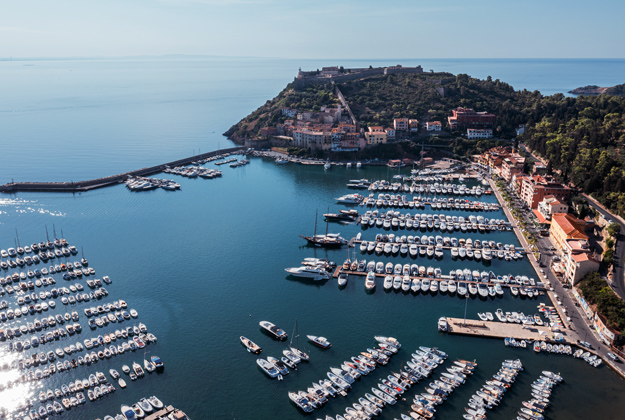
Porto Ercole, located in southern Tuscany, lies in the southern part of theArgentario, in what is aptly namedthe Costa d’Argento…
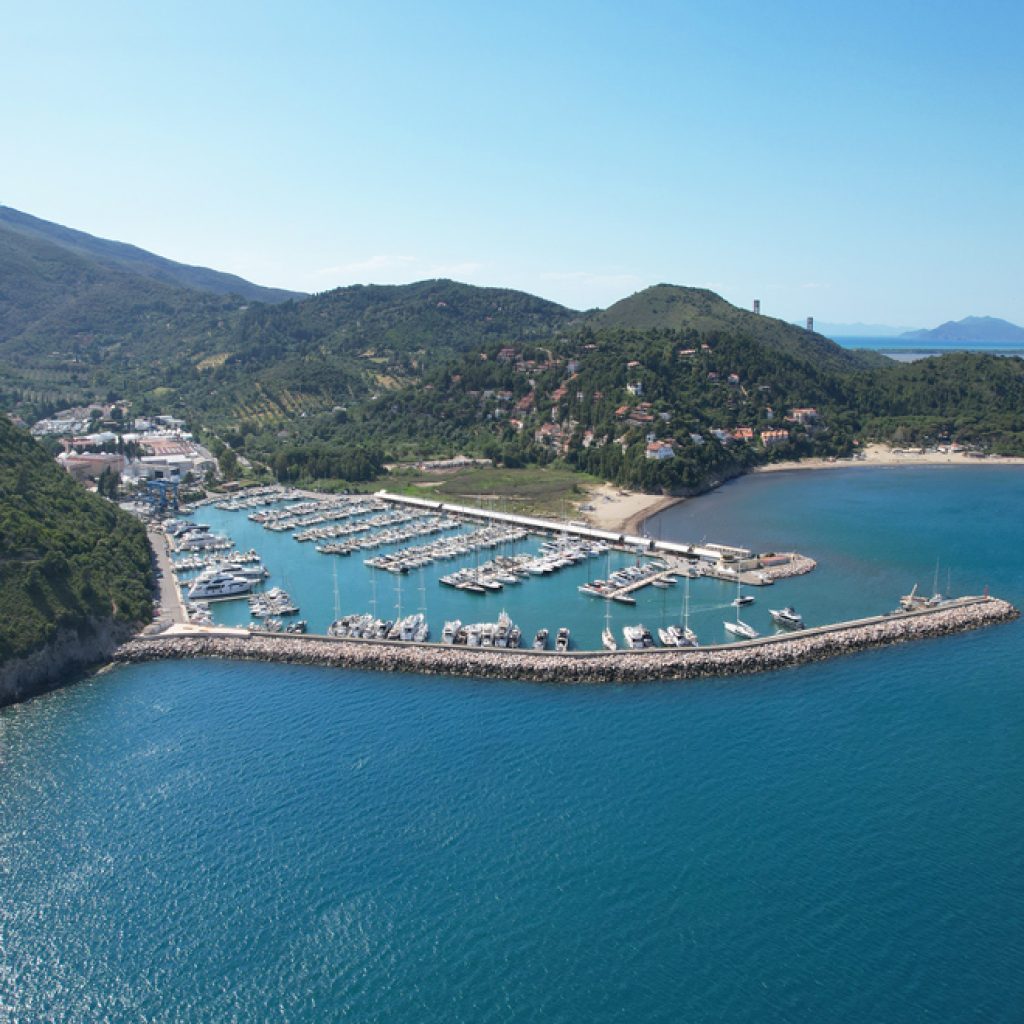
TheCala Galeramarinawas one of Italy’s firstprivate marinas. It was built in the early 1970s duringSusanna Agnelli’s tenure, and the construction work was entrusted to aFrenchcompany that was a pioneer in this field.
To provide the best possible experience, we use technologies such as cookies to store and/or access information on your device. By consenting to these technologies, we may process data such as your browsing behavior or unique identifiers on this site. Failure to consent or withdrawal of consent may adversely affect certain features.

