
Close
Home » Argentario » Porto Ercole
A journey through the ancient origins,
the medieval struggles, and the charm of the Renaissance in a village
overlooking the sea.
Porto Ercole is a small town in southern Tuscany, located on the southern tip of theArgentariopeninsula, in what is aptly named the Costa d’Argento.
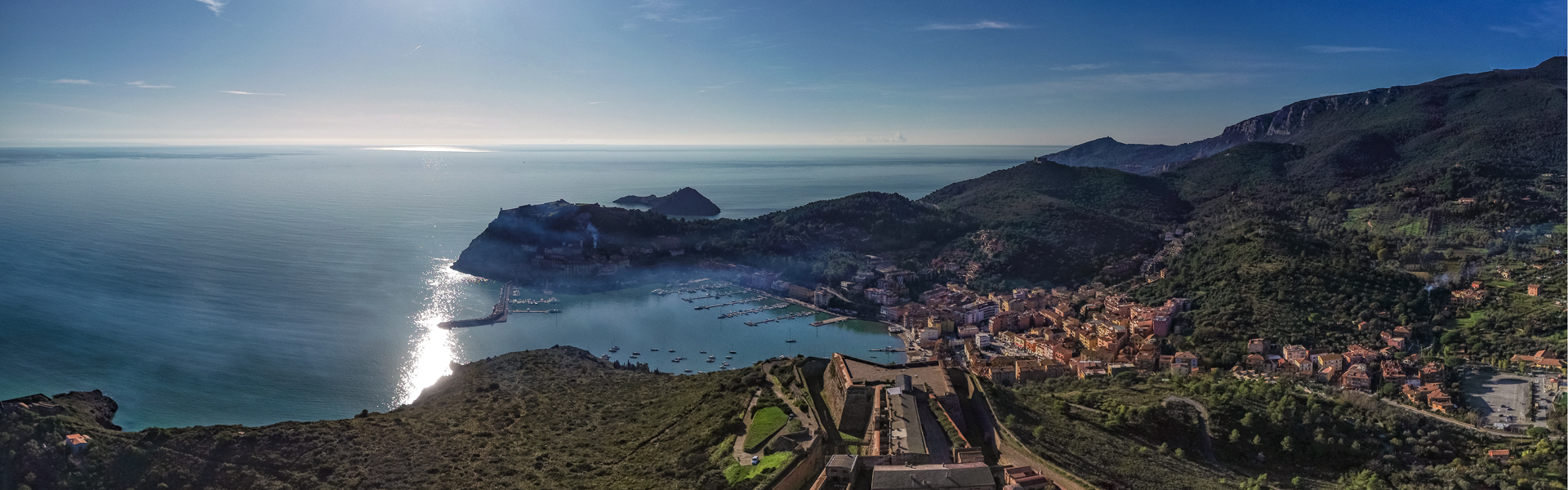
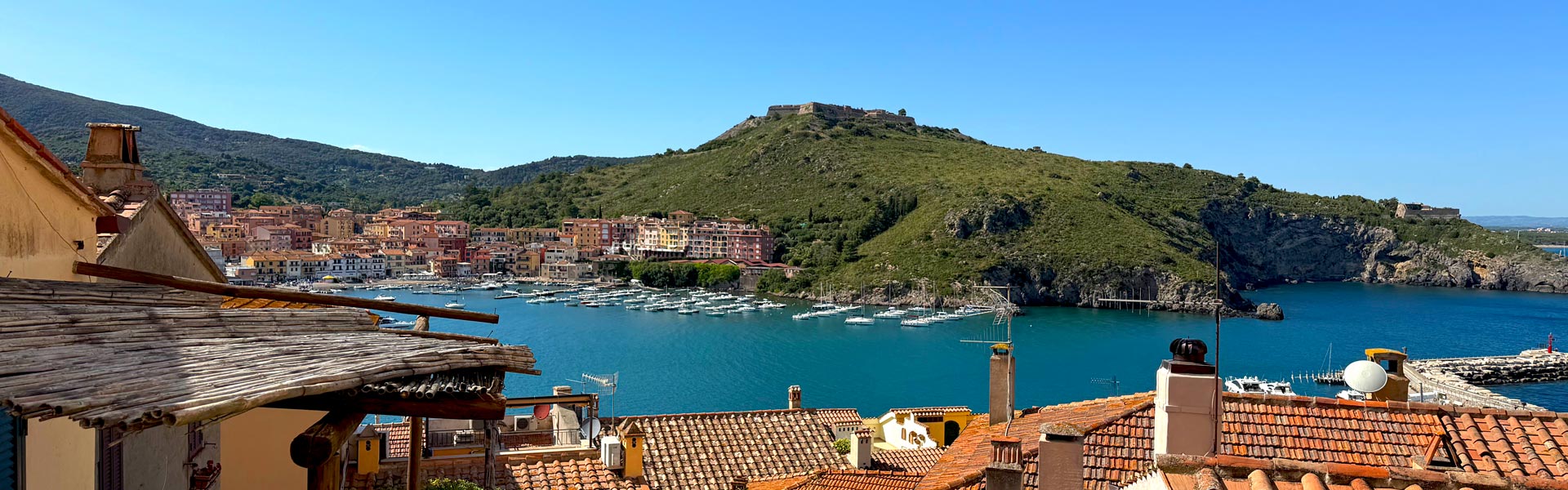
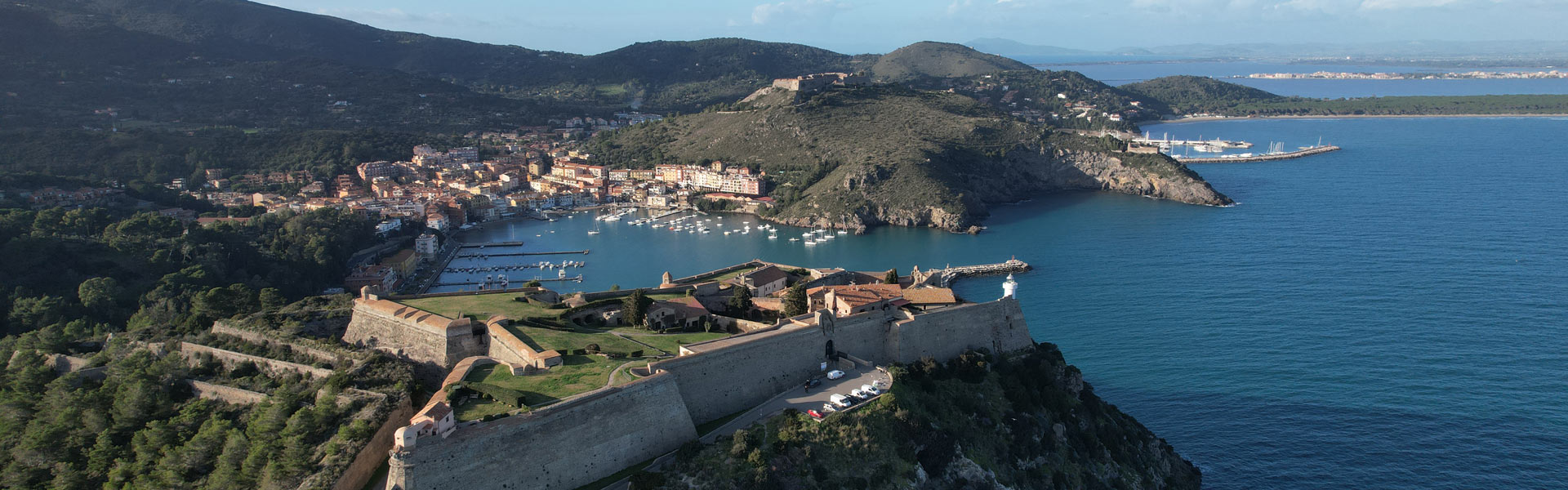
The town stretches along a wide cove sheltered from the wind by two hills that rise steeply above the sea. On the right, the old town has clung to the slopes beneath the Rocca fortress for centuries. In the center, on the flat area known as “le Grotte, ”a long, winding row of houses follows the curve of the bay. On the left side, however, a long row of houses climbs up the hill of Forte Filippo, then descends and spreads out like wildfire behind the Cala Galera marina.
The name Porto Ercole is likely of Greek origin, specifically from the Phocians, a people devoted to Hercules, and was chosen because of its resemblance to a similar landing place in Anatolia, their homeland. Porto Ercole, in fact, boasts ancient origins. As early as the Neolithic period, it was the site of primitive settlements that were later developed by the Etruscans and Romans.
During the Middle Ages, it flourished under the influence of Siena, making the port an important trading hub. In 1296, the Aldobrandeschi family built the first tower of the Rocca, while the castle walls date back to the 15th century, a period when it was essential to protect the town from pirates. The most famous of these, the pirate Barbarossa, sacked Porto Ercole in 1544, destroying the structures built by the wealthy Sienese merchant and patron Agostino Chigi, who had leased the port in 1507.
A few years later, in 1555, Porto Ercole was the scene of the Republic of Siena’s surrender to Florence andthe Empire, during that siege immortalized by Vasari in a fresco in the Sala dei Cinquecento at the Palazzo Vecchio. It was during the Renaissance that the village reached its peak of splendor; in fact, in 1559, following the end of the Spanish-Florentine occupation, Philip II, King of Spain, decided to establish a stronghold and called upon the finest military architects of the time, such as Camerini, to work on the fortifications of the State of the Presidi, a political entity that would not come to an end until 1801.
It was right here, during the Spanish occupation, that Michelangelo Merisi da Caravaggio—wounded and ill, hunted by assassins and fleeing aboard a felucca with his works—was admitted to the hospital of the Confraternity of Santa Croce, where he died on July 18, 1610.
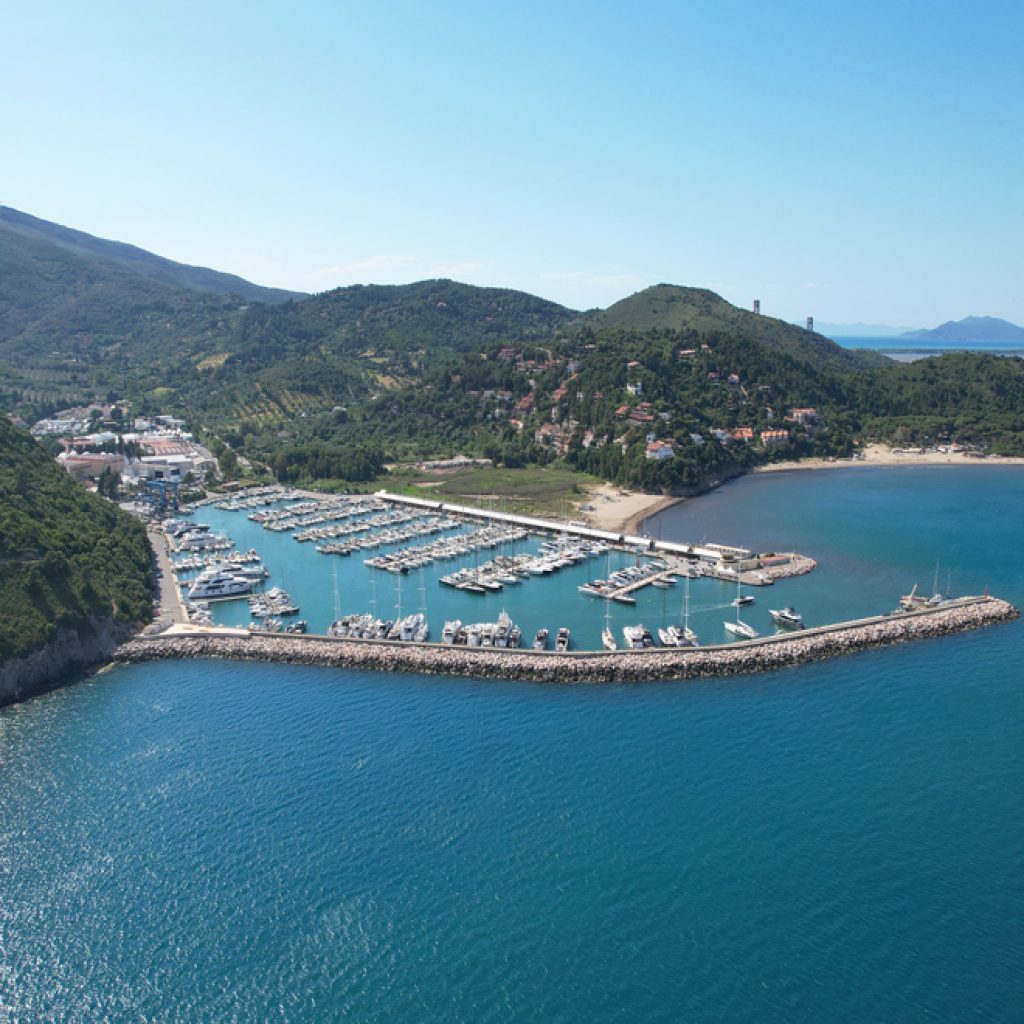
TheCala Galeramarinawas one of Italy’s firstprivate marinas. It was built in the early 1970s duringSusanna Agnelli’s tenure, and the construction work was entrusted to aFrenchcompany that was a pioneer in this field.
To provide the best possible experience, we use technologies such as cookies to store and/or access information on your device. By consenting to these technologies, we may process data such as your browsing behavior or unique identifiers on this site. Failure to consent or withdrawal of consent may adversely affect certain features.

