
Close
Home » Explore » Experiences to Enjoy » The Old Town of Porto Ercole
Porto Ercole, with its charming medieval village, offers a journey
into the past, amid historic walls, Renaissance squares
, and imposing fortresses.
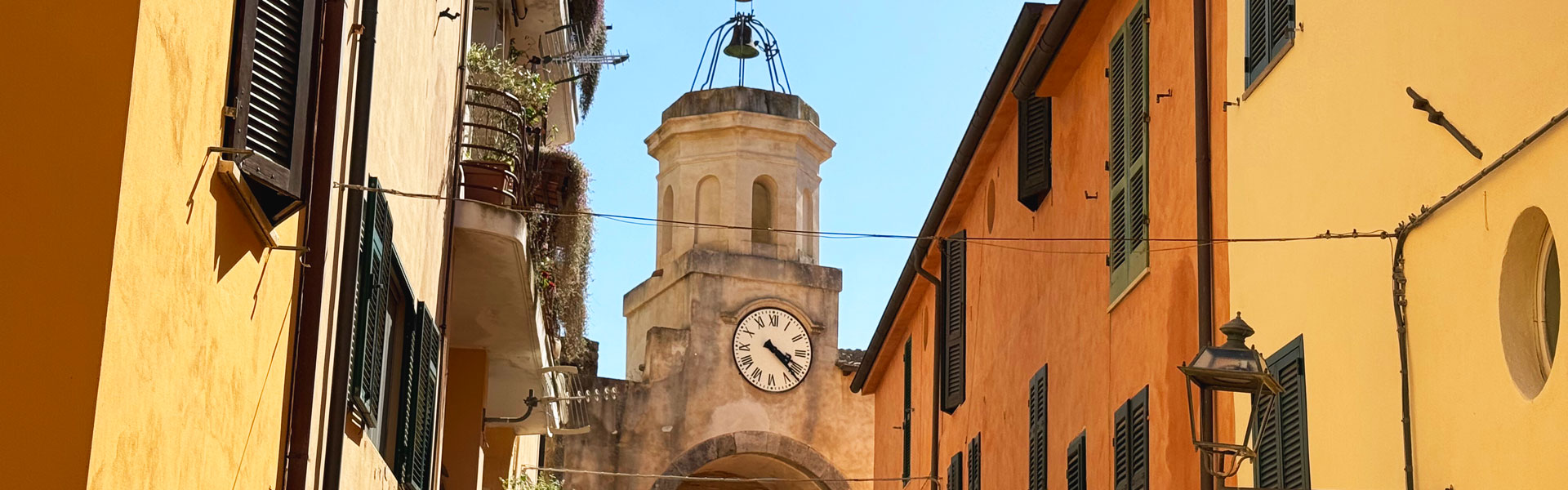
The historic village is the most picturesque part of Porto Ercole. Protected by a walled enclosure and dominated by the Rocca, this small medieval village climbs the hill to the right of the harbor, reaching almost to the summit. Passing through the Porta Senese, defended by a barbican with a bell tower, you enter Corso Amedeo; along the street, on both sides, you can admire a series of limestone portals dating back to the late 15th century.
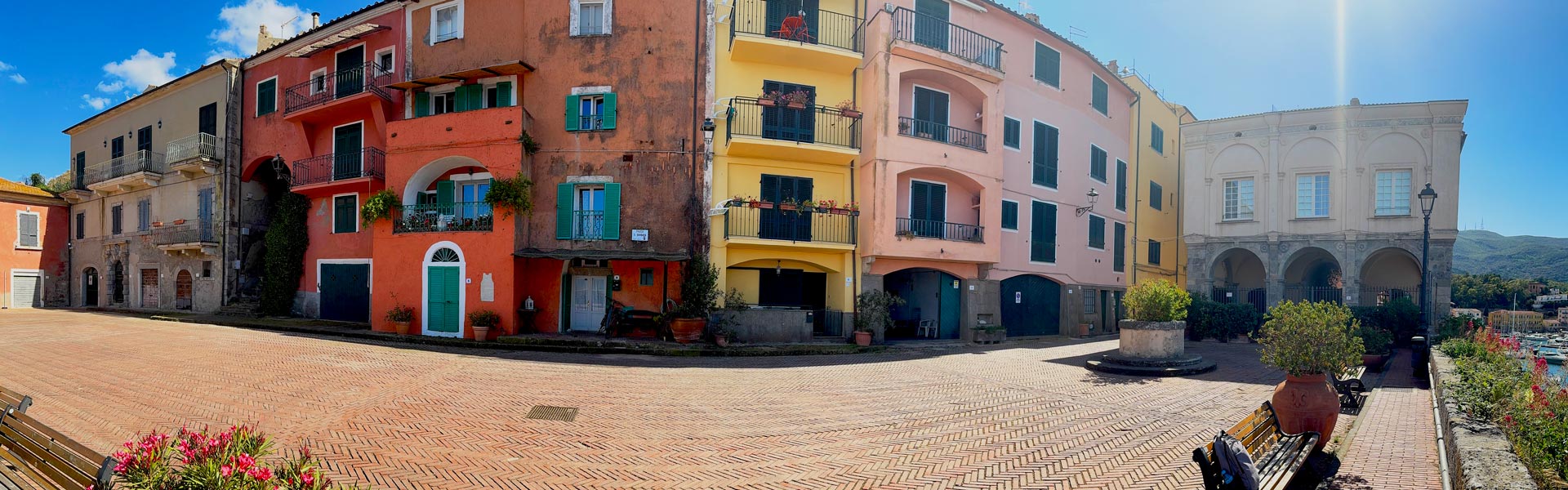
It almost feels like stepping back in time; there aren’t many shops, and the almost surreal silence, combined with the scarcity of people, makes it feel like a sort of open-air museum. After a short walk, you arrive at Piazza Santa Barbara: bordered on three sides by historic buildings whose facades tell the story of the place, from the Renaissance facade of the Governor’s Palace to the houses built after the war.
In addition to serving as the administrative heart of the town, it was also its commercial hub. In fact, beneath the square runs a series of large warehouses covered by massive barrel vaults and expanded by Agostino Chigi, who also commissioned the Palazzo del Governatore, attributed to Baldassarre Peruzzi, one of the most prominent figures of the Renaissance and the architect, among other works, of the Villa Suburbana della Farnesina, frescoed by Raphael. At the opposite end, however, stands the bastion that takes its name from the square: hexagonal in shape and connected to the Rocca by a walkway hidden within the walls, it could accommodate six artillery pieces and 25 men.
It was designed by Francesco di Giorgio Martini, who was also offered the position of podestà in 1487. Walking up the narrow streets, after stopping to take a few photos at the San Martino viewpoint, you arrive at the Church of Sant’Erasmo. The façade is likely the work of another great architect of the time, Bernardo Buontalenti, who also left his mark on other works, such as the chapel of the Rocca’s guardhouse.
Not far away, descending the splendid staircase that runs along the walls, you can see what was oncethe Santa Croce Hospital, long since converted into a private residence; it is the final resting place of the famous painter Michelangelo Merisi, known as Caravaggio, who died here at the age of just 39. On the opposite side, however, you can admire the Torre di Mezzo, a tall, slender, semi-cylindrical tower of late Gothic architecture, featuring a series of embrasures for arquebuses and bombards.
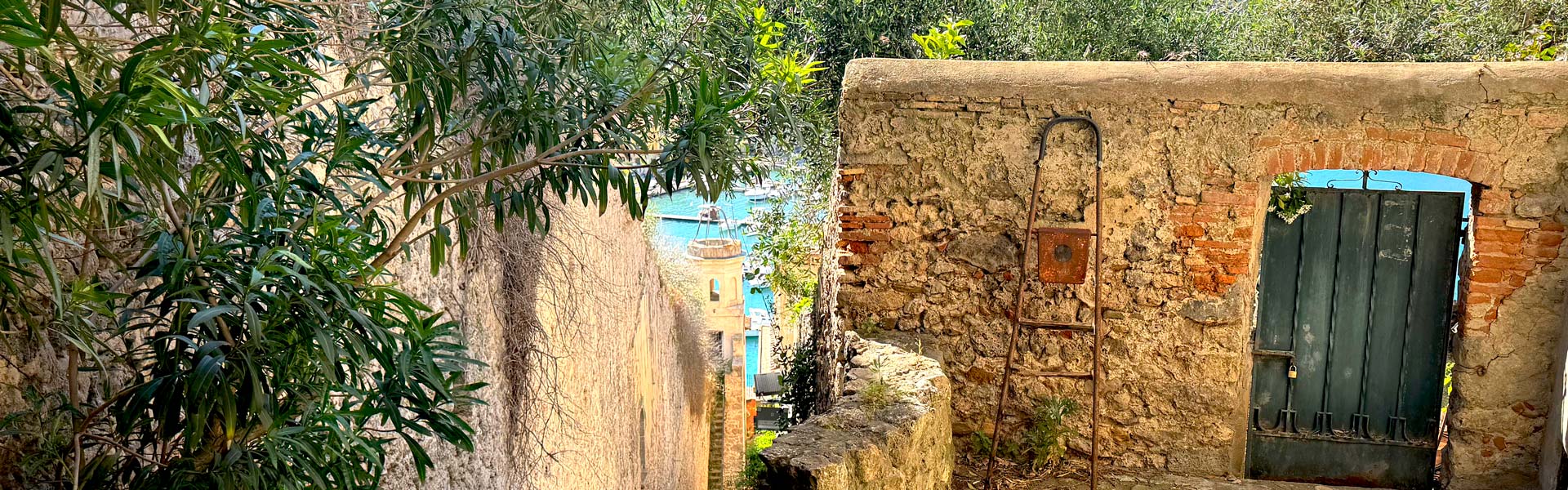
A door was recently opened next to it to facilitate the passage of coffins from the church to the old cemetery on the scenic road. Thus, a series of holes in the town walls is clearly visible; in the past, when the town was at its peak and had reached its maximum size, these holes housed the beams of what are known as “suspended houses”—raised dwellings that rested directly on the walls, creating a sort of tunnel over the staircase below.
The Porta Senese, the main entrance to the village of Porto Ercole, is a fine example of 15th-century Gothic architecture.
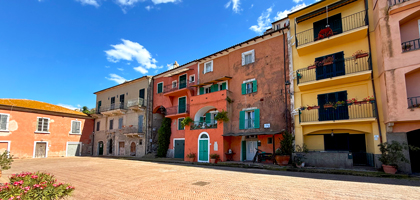
The square, surrounded by historic buildings, served as the administrative and commercial hub of Porto Ercole for centuries.
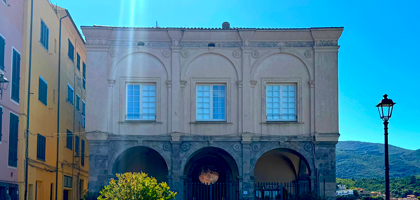
Built by Agostino Chigi and designed by Baldassarre Peruzzi, the Governor’s Palace in Porto Ercole…
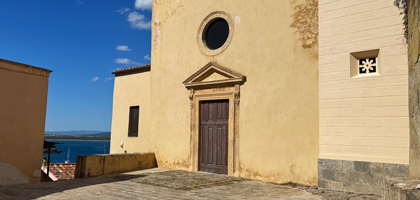
The Church of Sant’Erasmo, dedicated to the patron saint of Porto Ercole, was built in the 15th century by the Sienese and expanded in the centuries that followed.
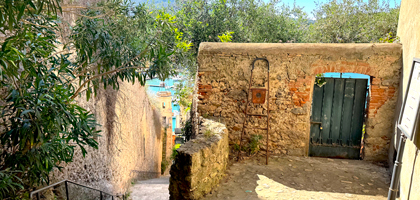
The church-hospital of Santa Croce, now deconsecrated, is linked to the final days of Caravaggio’s life .
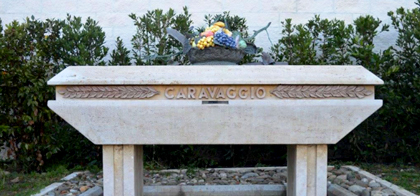
Michelangelo Merisi, known asCaravaggio, led a restless andwandering life, and his career was marked by his choice ofstreet models.
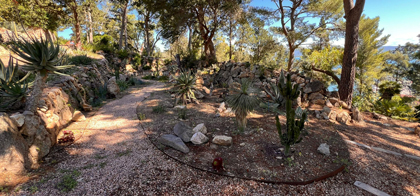
Founded in 1868 by GeneralVincenzo Ricasoli,the Corsini Botanical Gardenis anacclimatization garden that houses an extraordinary collection of plants.
To provide the best possible experience, we use technologies such as cookies to store and/or access information on your device. By consenting to these technologies, we may process data such as your browsing behavior or unique identifiers on this site. Failure to consent or withdrawal of consent may adversely affect certain features.

