
Close
Home » Explore » Experiences to Enjoy » Parks and nature » Argentario Mediterranean Aquarium
Argentario Mediterranean Aquarium recreates the most characteristic marine environments of the Costa d’Argento, featuring 17 tanks that are home to hundreds of Mediterranean species, as well as a tropical section. Permanent exhibits, cetacean specimens, and rare shells make the center a key destination for science education and the promotion of marine heritage.
Argentario Mediterranean Aquarium, part of the Marine Biology Education Center of the Municipality of Monte Argentario, was designed to provide a faithful and scientifically accurate representation of the most characteristic habitats of the Silver Coast. Inside, marine environments are recreated that extend along the coastal zone at depths ranging from 10 to 50 meters, divided into infralittoral and circalittoral zones, with areas also dedicated to pelagic organisms. Significant attention is also given to the growing presence of Lessepsian species, which arrived in the Mediterranean after the opening of the Suez Canal and have now adapted to the new ecosystem.
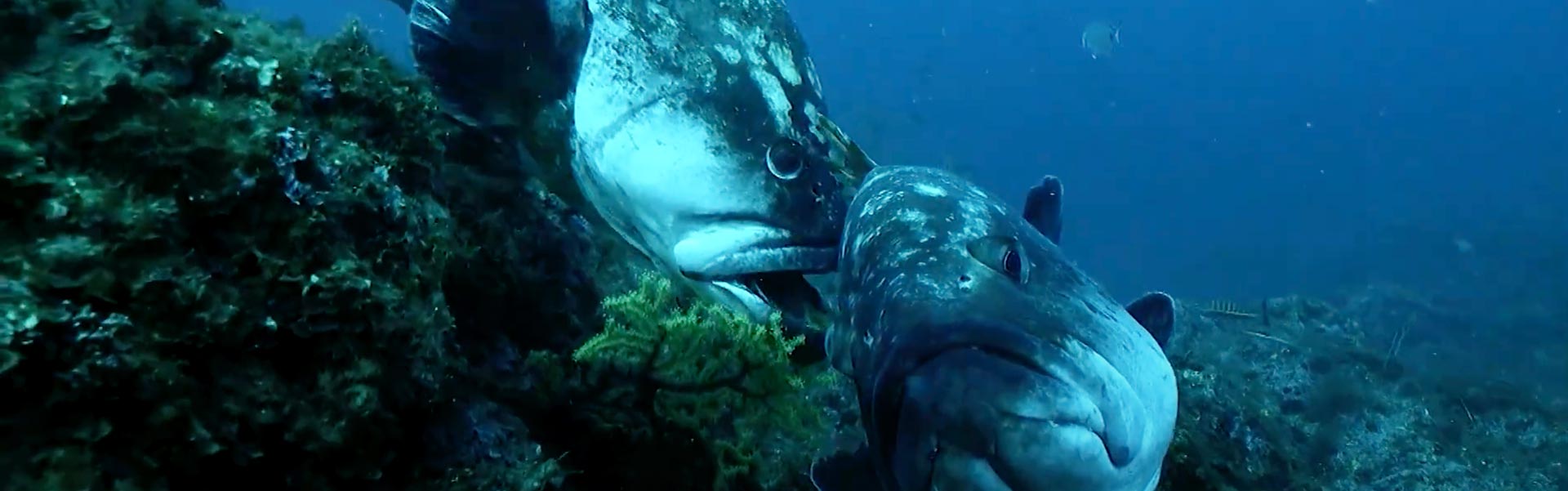
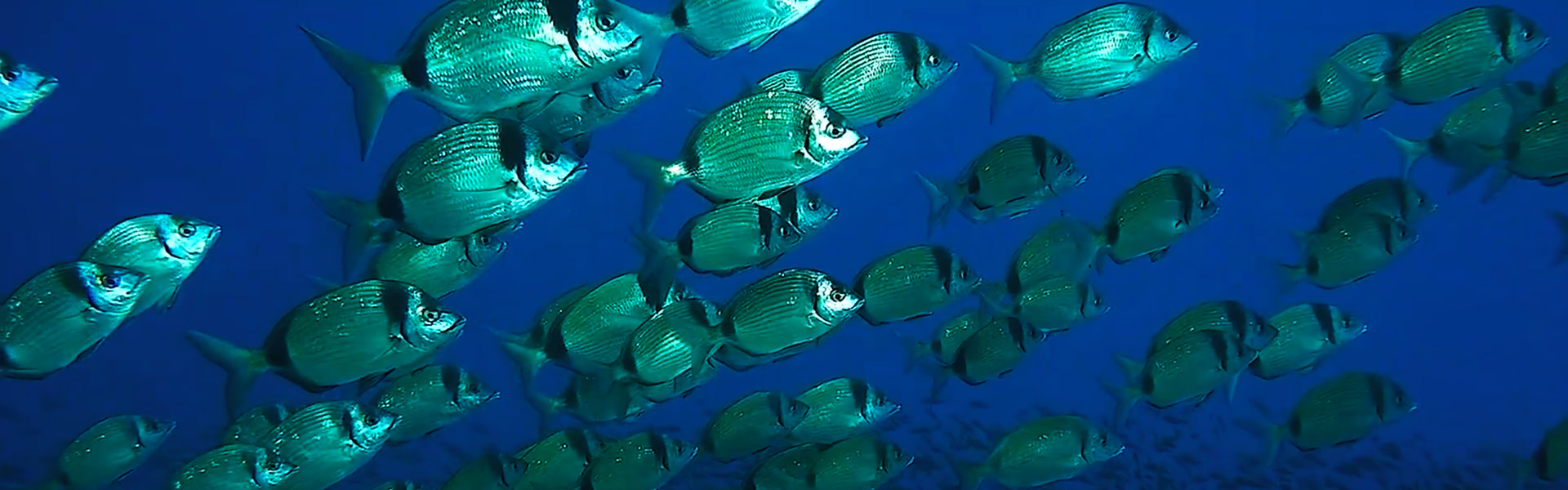
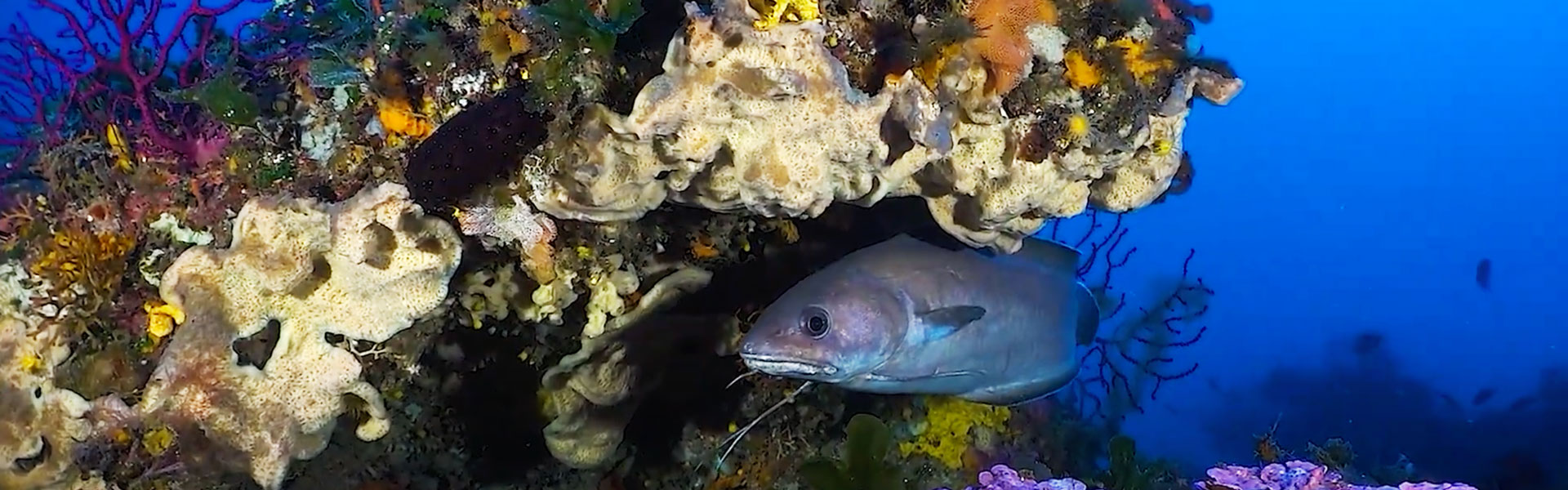
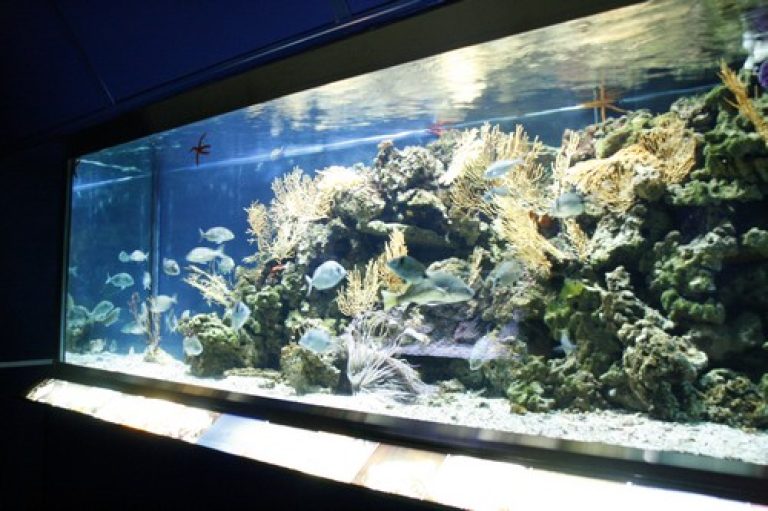
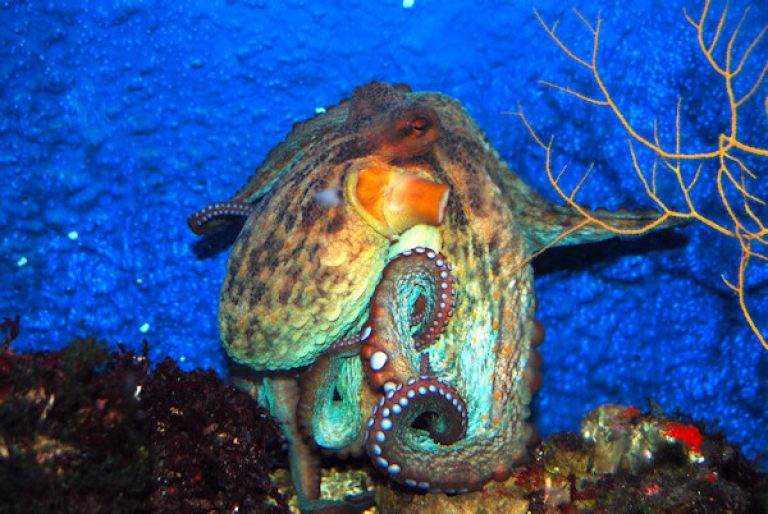
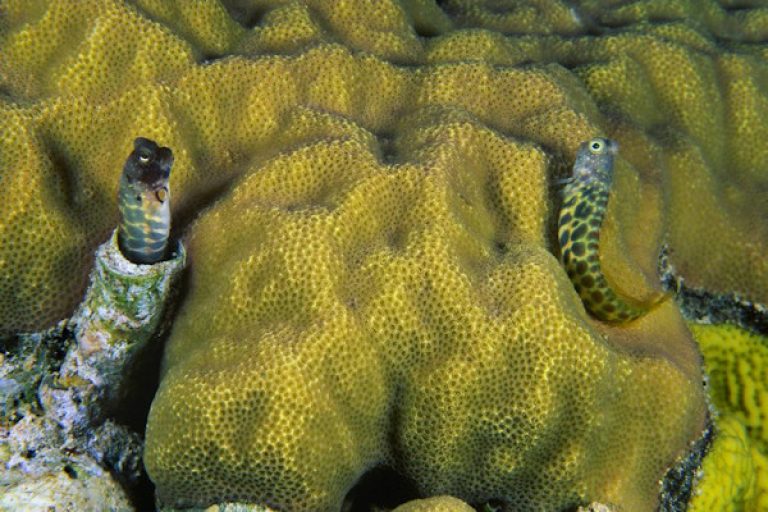
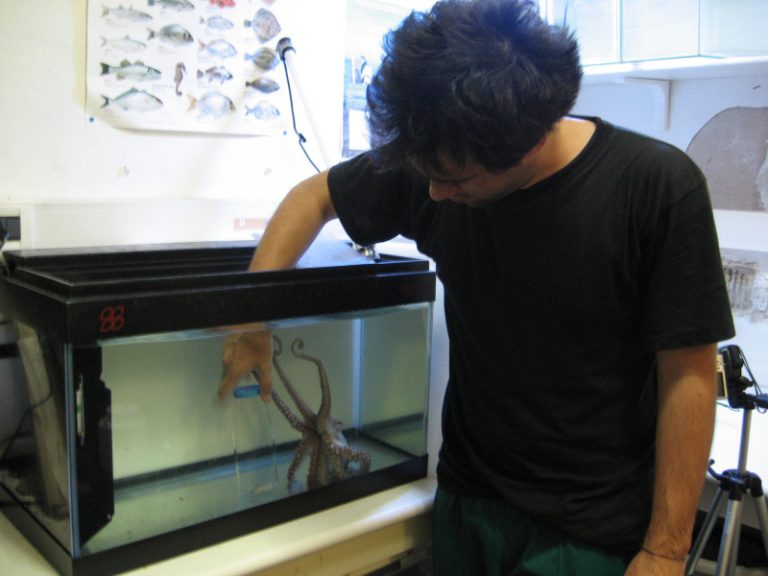
The aquarium features 17 tanks, including 7 panoramic ones, with capacities ranging from 2,000 to 20,000 liters, for a total of approximately 50,000 liters of seawater. These environments are home to hundreds of animal and plant species typical of the Mediterranean, including groupers, moray eels, seahorses, octopuses, lobsters, dogfish, leopard catfish, anthias, wrasse, amberjack, spondylus, gorgonians, Posidonia, and many others.
The main tanks are designed to represent the following marine environments:
Upper coastal zone (30–50 m deep)
Lower intertidal zone (15–30 m)
Upper intertidal zone (0–15 m)
Pelagic environment
Surface environment
Next to these are small themed tanks that showcase specific ecosystems and are home to species such as catfish, moray eels, seahorses, pipefish, and invertebrates, as well as cave environments. A more recently added area, consisting of four tanks, is currently dedicated to octopuses, lobsters, wrasse, damselfish, sea bream, and many other species.
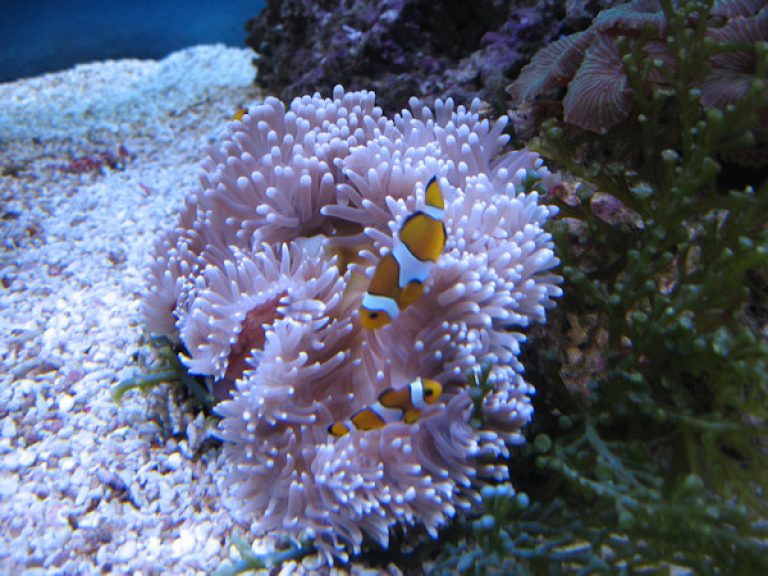
In 2013, a tropical tank was added to give visitors a glimpse into the world of coral reefs. This exhibit is home to a variety of exotic species in a habitat rich in coral, including numerous juvenile fish and the ever-present clownfish that live in symbiosis with their anemones.
On the upper floor of the building, there is a shell exhibition featuring over a hundred species from not only the Mediterranean and Monte Argentario, but also from distant seas such as the Pacific Ocean, the Atlantic Ocean, and the Red Sea. The display cases include genera such as Haliotis, Cypraea, Lambis, Conus, Cassis, Tridacna, Nautilus, Murex, Argonauta, Spondylus, Ostrea, Chlamys, Pecten, and Oliva.
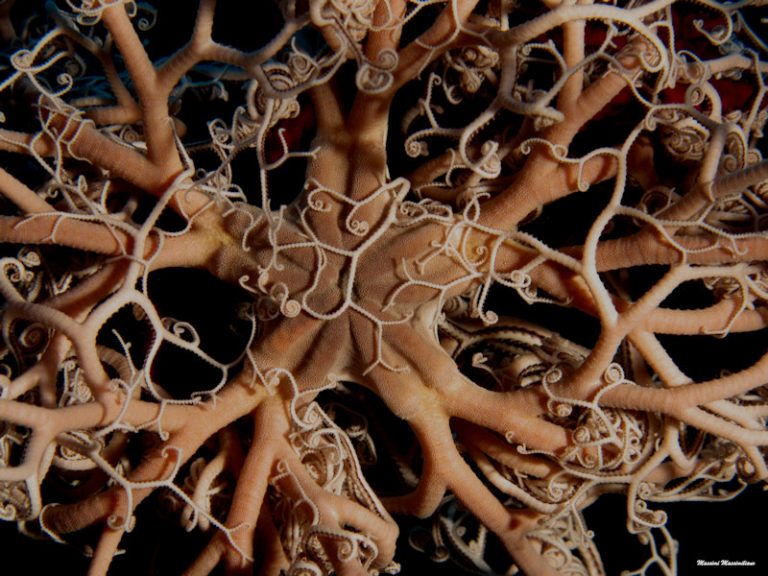
One section is dedicated to underwater photography, featuring photographs displayed at the aquarium’s entrance taken by Alessandro Tommasi and Massimo Barlettani, vice president and presidentof the Accademia Mare Ambiente, respectively.
Since February 2014, two additional permanent exhibitions have been set up.
The first exhibition tracesthe evolution of diving technology, featuring a collection of vintage equipment, including the diving gear used by Mr. Gino Tantulli in the mid-20th century, donated by his family.
The second section is dedicated to cetaceans and the International Marine Mammal Sanctuary, featuring specimens from the waters of Argentario invite Giglio Island, including the lower jaw and a lumbar vertebra of a fin whale, as well as the skulls of a beaked whale and a bottlenose dolphin.
In 2018, thanks to the work of the Climax Cooperative, several shells (such as Tridacna squamosa and Chicoreus ramosus) and cetacean remains (beaked whales and bottlenose dolphins) were 3D-scanned and made available online on the Sketchfab platform. These 3D models allow for a 360° exploration of the artifacts, offering an immersive experience even from a distance.

The facility is accessible to people with mobility impairments and features an elevator that allows visitors to easily reach all floorsof the aquarium. Inside, the pathways are wide and free of obstacles, making it easy to navigate even for those who use wheelchairs or other mobility aids. The floors are smooth and even, with no steps or uneven surfaces, to make getting around easier. However, it is important to be careful on some shiny surfaces, which may be slippery, especially when wet.
To provide the best possible experience, we use technologies such as cookies to store and/or access information on your device. By consenting to these technologies, we may process data such as your browsing behavior or unique identifiers on this site. Failure to consent or withdrawal of consent may adversely affect certain features.

