Close

Home » Explore » Routes and itineraries » Hiking Trails » 29 – Loop of the 4 Forts
Starting point: Piazza Roma
Turning onto Via Caravaggio
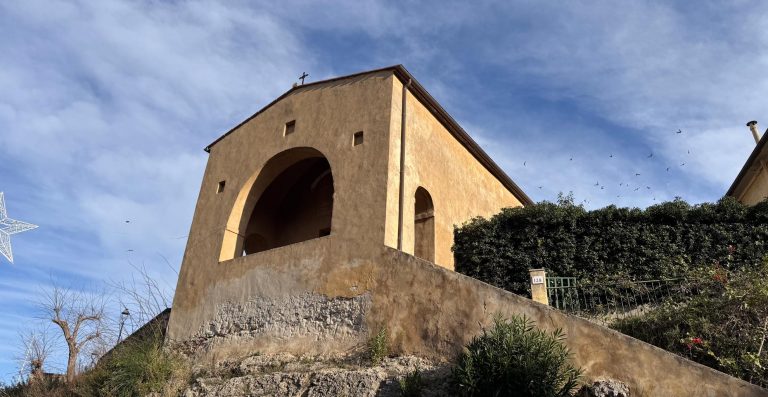
From Piazza Roma, take Viale Caravaggio, which leads to the Church of San Rocco, a place of worship that was completely rebuilt in the early 18th century following the War of the Spanish Succession (1701–1714).
The “Via degli Orti” and Cala Galera
Via degli Orti
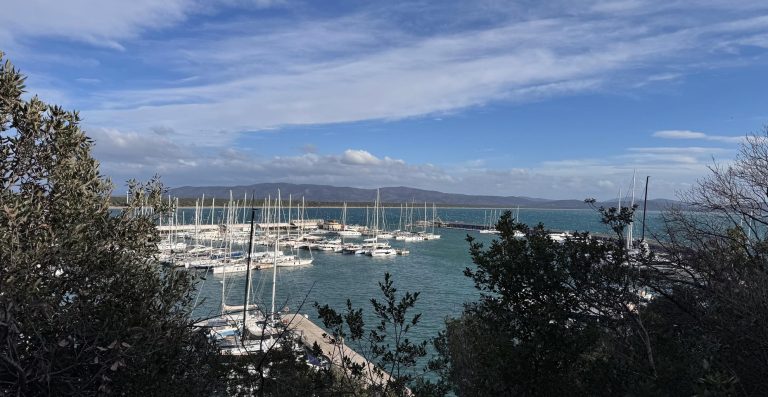
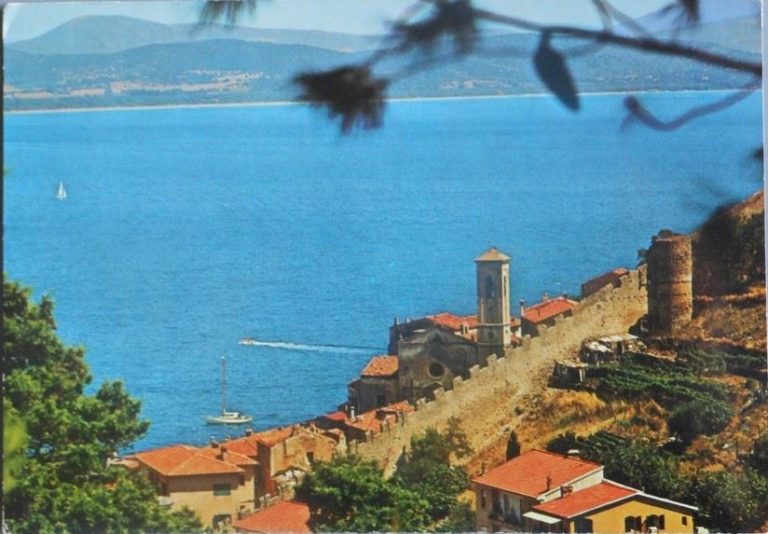
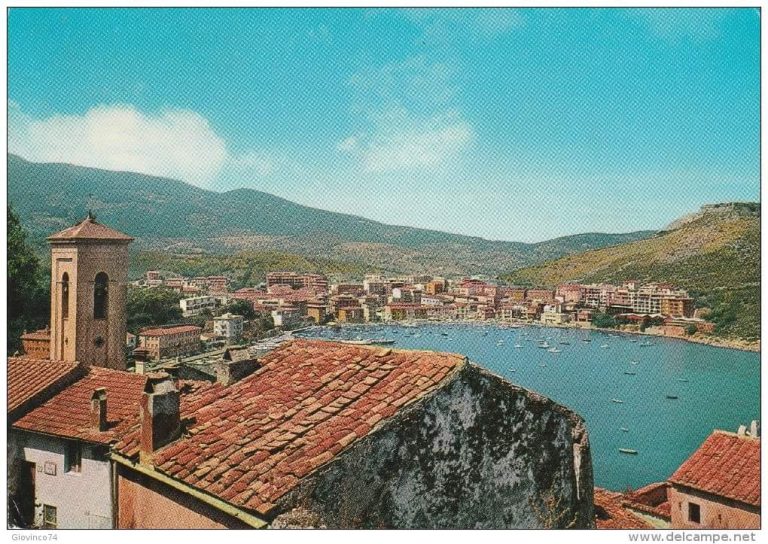
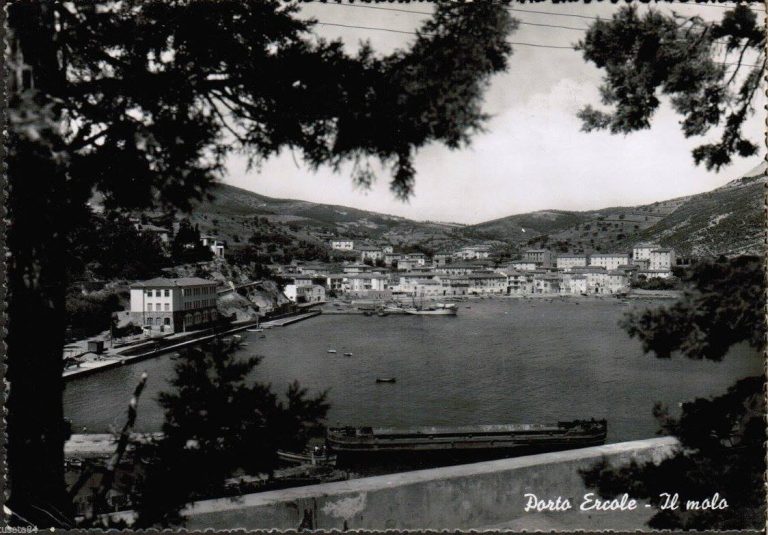
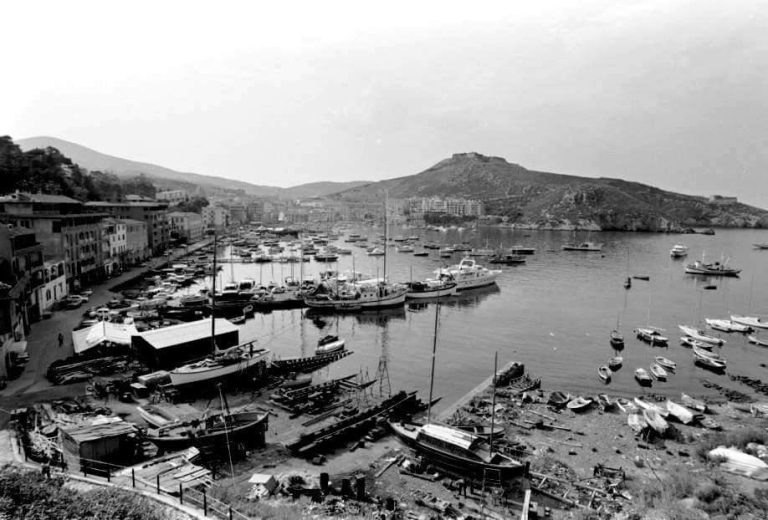
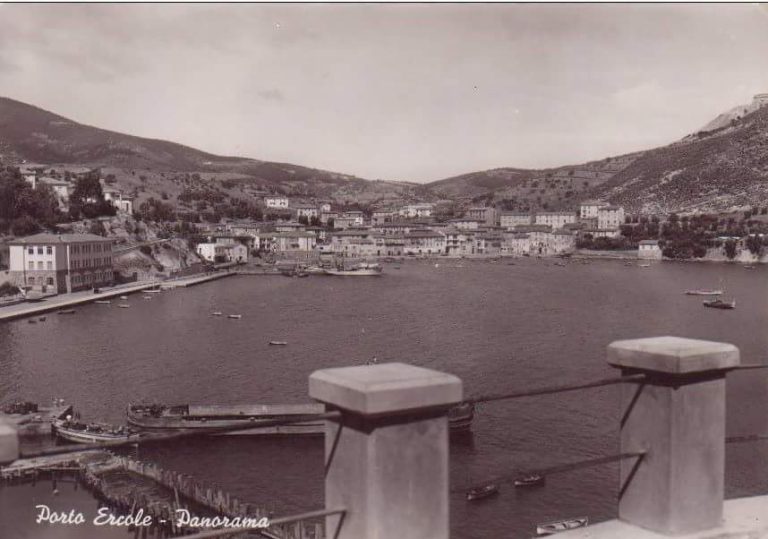
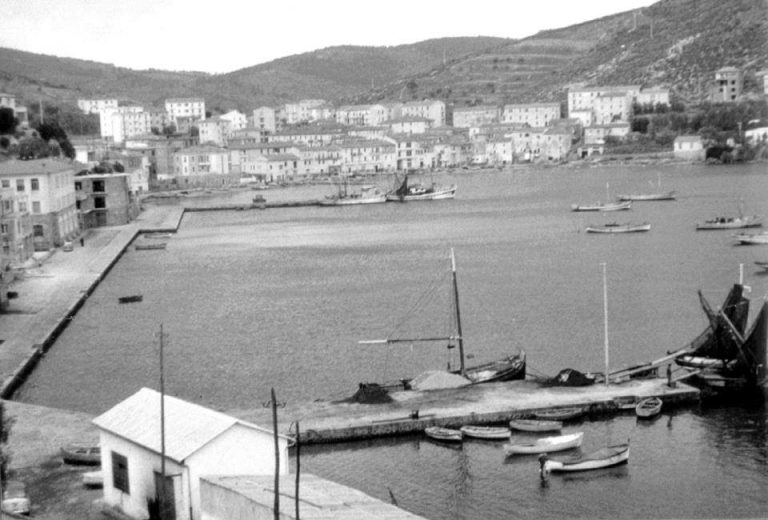
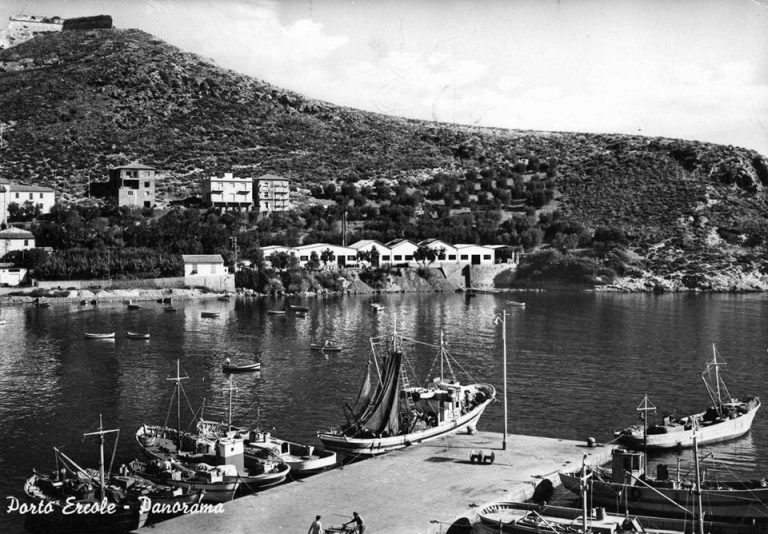
From the church, continue along Via degli Orti, the road leading to Forte Filippo. Along the way, a breathtaking view opens up onto the Cala Galera cove, once an important natural harbor for the Roman city of Cosa, founded in 273 B.C. During the Renaissance, it offered refuge to passing galleys, which is likely where its name comes from. In the 1970s, under the administration of Mayor Susanna Agnelli, one of Italy’s first and most significant private marinas was built. Today Cala Galera has 670 berths, of which 60 designated for large vessels, and is considered one of the best-equipped ports in the Tyrrhenian Sea. However, changes in ocean currents have caused the bay to gradually silt up.
The Fort of Santa Caterina
From Via degli Orti to the Fort of Santa Caterina
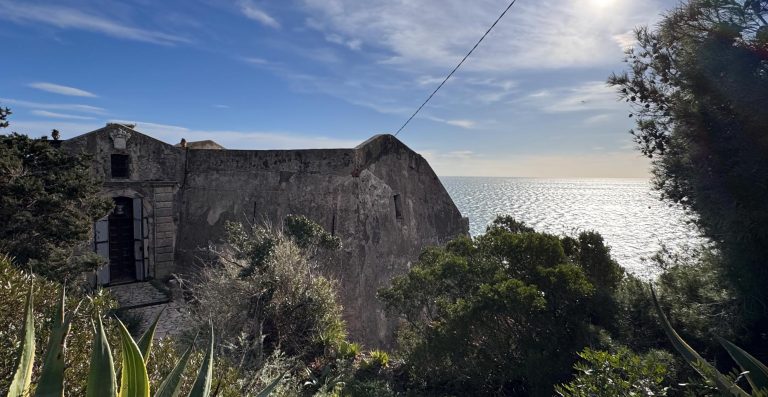
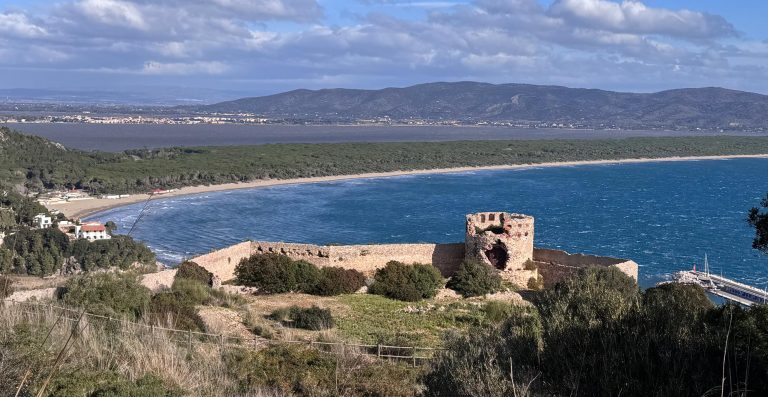
The Via degli Orti ends at Fort Santa Caterina, built by the Spanish in the second half of the 17th century to defend the harbor entrance. Its strategic position allowed for crossfire at water level with the opposing battery of Santa Barbara. Today, the fort is privately owned.
The Watch Route at Forte Filippo
Climbing toward Forte Filippo
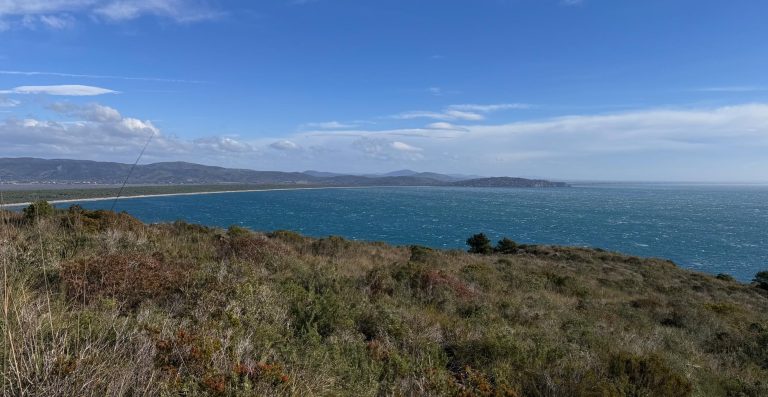
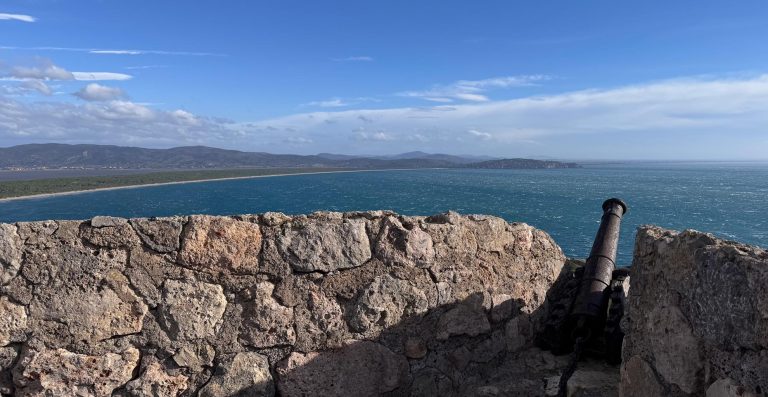
We then head up toward Forte Filippo, a masterpiece of military architecture begun in 1558 at the behest of Philip II of Spain, based on a design by the architect Giovanni Camerini. Although the fort is now a private apartment building, visitors can access the exteriors and walkways, known as “Forte Filippo walkway”. From here, you can enjoy a spectacular 360° view of Porto Ercole, the Orbetello Lagoon, Ansedonia and the Tyrrhenian Sea. Not far away is also the old garrison mill, known as the Mulinaccio.
Toward Forte Stella
Proceeding along the Panoramic Provincial Road toward Forte Stella
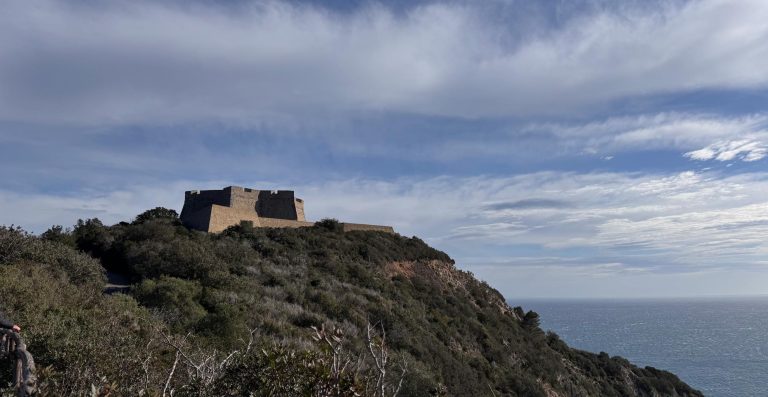
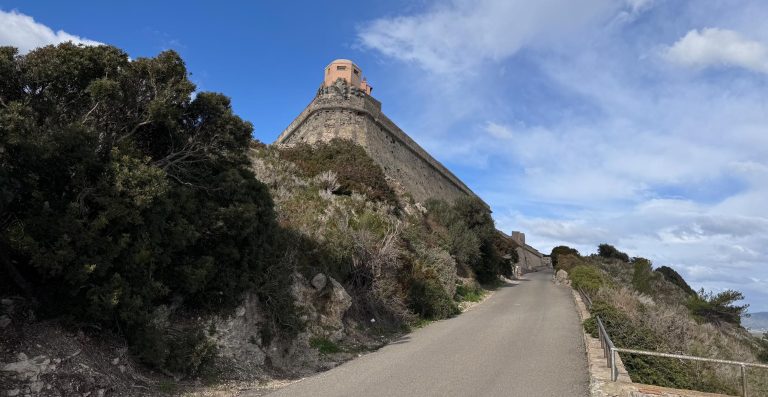
Descending from the promontory of Monte and crossing the Provincial Road, continue along the Panoramic Road toward Forte Stella. A long climb leads to the entrance of the fort, which dates back to the second half of the 16th century and stands on the site of a former Sienese fortification known as Sant’Ippolito. Forte Stella, with its unmistakable six-pointed layout, is a splendid example of Renaissance military architecture. From its terraces, the view takes in the landscape from Magliano to Civitavecchia and Giannutri.
Forte Stella
Exploring Forte Stella
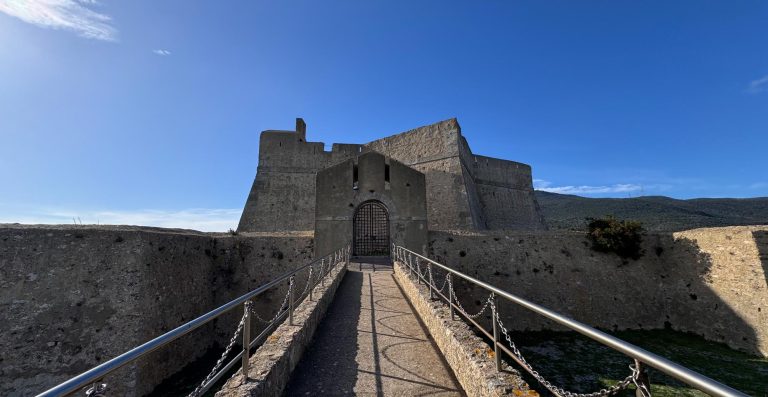
Authentic jewel of military architecture from the late 16th century, it is located 157 meters above sea level, on a hill south of Porto Ercole and takes its name from the of of its central core: a six-pointed star located at the center of a large quadrilateral enclosure, defended by four bastions, built in 1676.
The Camposanto Trail
The ancient path that winds through the scrubland
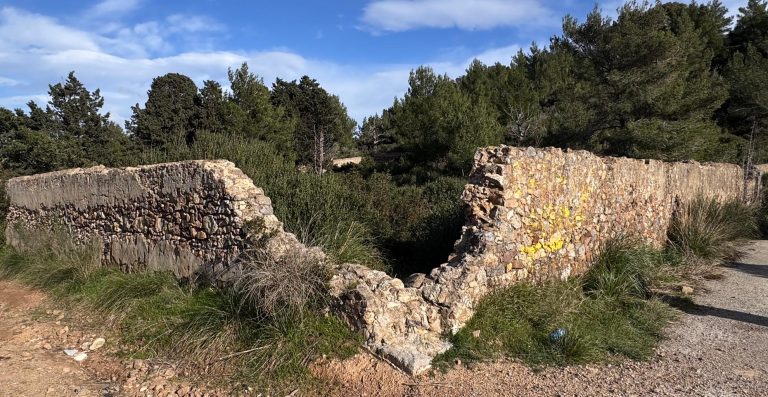
Leaving the fort’s drawbridge, you enter an ancient path that winds through dense Mediterranean scrub. At the bottom of the descent, the ruins of the walls of theancient cemetery of Porto Ercole, which was in use from 1834 to 1897; today it lies in ruins but its original structure is still visible.
The “Way of the Dead”
The walled-up entrance to the old cemetery
The ancient “Via dei Morti”, which has recently been restored. This path was used to reach the cemetery from the village’s historic church.
The Trivio and the Views
Crossing the Panoramic Road
The Way of the Dead intersects with the Panoramic Road and the road leading up to the Rocca. Once upon a time, this crossroads was marked by a large iron cross, documented in 18th-century maps and also commemorated in the name of the beach below: Le Viste, an enchanting corner ofArgentario. It was right here, in 1954, that the scene of Ulysses, played by Kirk Douglas, with Rossana Podestà as Nausicaa, directed by Mario Camerini and Mario Bava. Silvana Mangano and Anthony Quinn. In 1968, the beach served as a location for part of the filming of the famous TV series “The Odyssey”, directed by Franco Rossi, starring Bekim Fehmiu, Irene Papas and Scilla Gabel. Today, the beach resort La Riva del Marchese.
La Rocca
View of the Islet
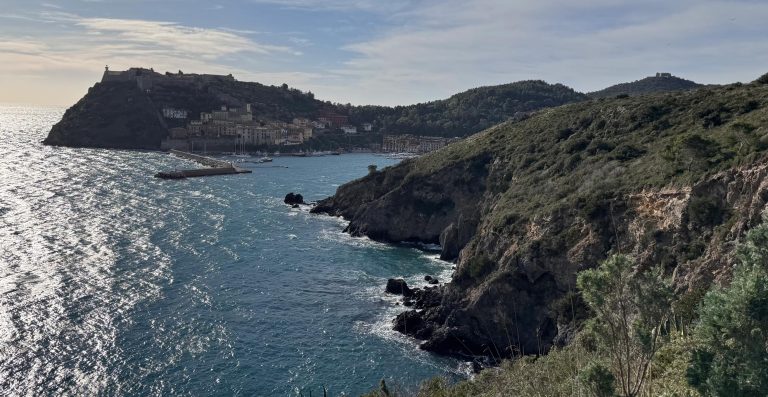
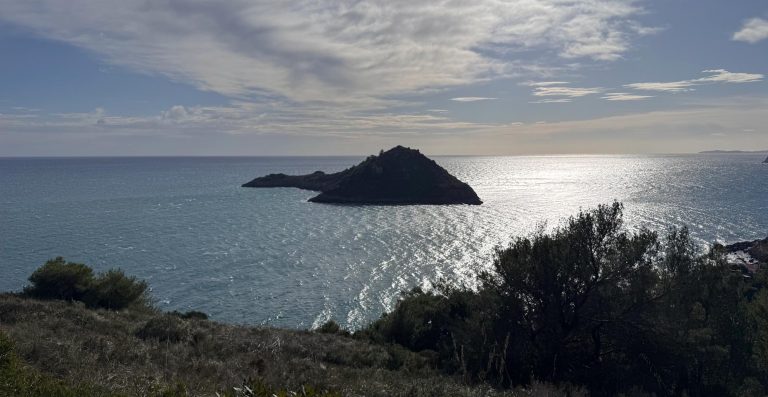
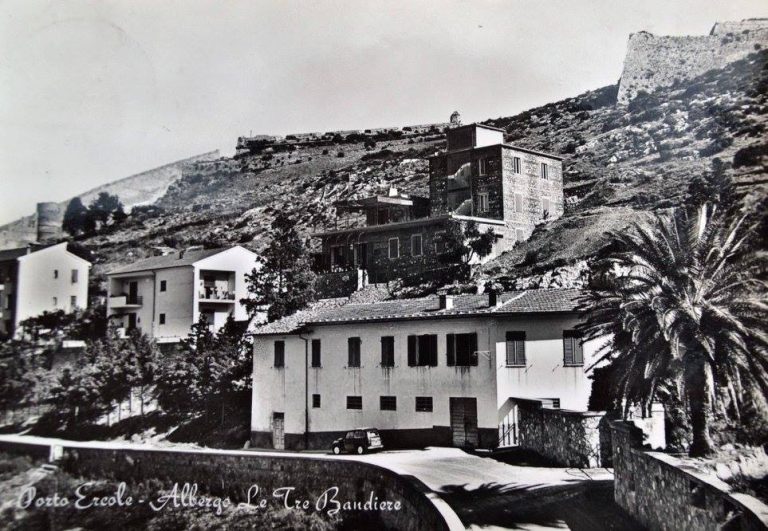
Heading up toward the Rocca, a magnificent view of theIsolotto. The imposing fortification occupies the entire summit of the hill, with its ramparts, moats, and walkways. Its origins date back to a medieval tower, later expanded by the the Sienese in the 15th century and transformed in the 16th century by the Spanish garrisons at the behest of Cosimo I de’ Medici and Philip II, still under the leadership of Camerini. Inside, there are courtyards, historic apartments, and a chapel, now incorporated into a private condominium purchased in the 1960s by Sophia Loren and Carlo Ponti.
The Rescue Trail
Plunging steeply down to the sea
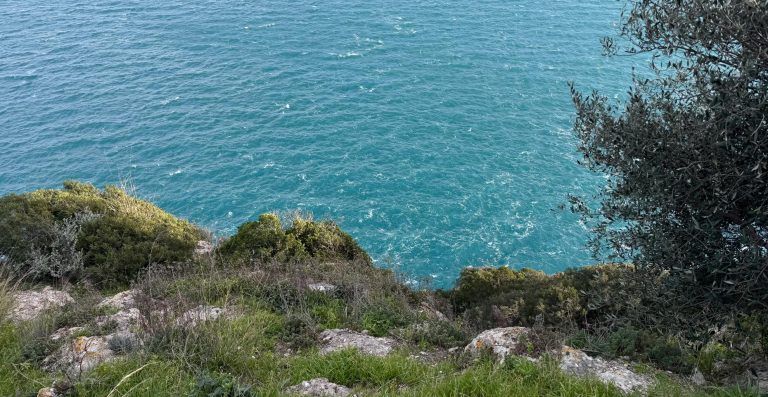
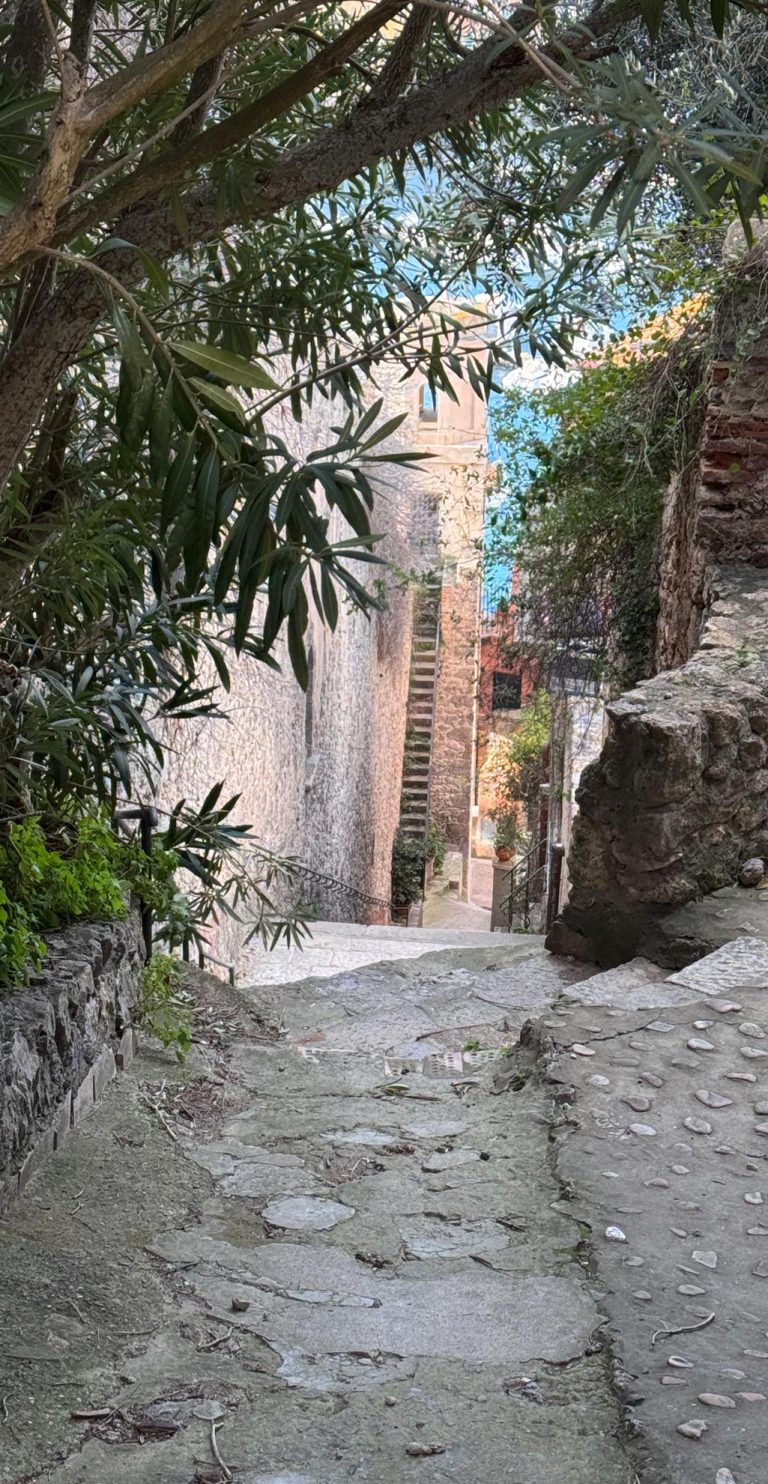
The Sentiero del Soccorso, which descends steeply toward the sea along the ramparts. In ancient times, there was a small escape gate for those under siege. The path leads inside the village walls, up to the top of the staircase of the “Case Sospese”, so called because houses once stood against the staircase itself.
Robert Penn Warren and the Poetic Fortress
During the summers of 1954, 1955, and 1956, the Rocca hosted the writer and poet Robert Penn Warren, his wife Eleanor Clark, and their daughter Rosanna and their housekeeper. Warren, winner of the Pulitzer Prize for Fiction in 1947 for All the King's Men, wrote a collection of poems right here, Promises. One of the poems, “To a one-year-old baby girl in a ruined fortress”, is dedicated to his daughter and inspired by the Rocca itself. In 1957, Warren won his second Pulitzer, this time for poetry.
The Church of Santa Croce and Sant’Erasmo
The entrance to the village
Halfway up the steps, on the right, is the entrance to the ancient church of Santa Croce, once the seat of the brotherhood of the same name that ran the local hospital. It is believed that Caravaggio, who died in Porto Ercole on July 18, 1610. The building is now a private residence. A little further down is a small square with the Church of Sant’Erasmo, the oldest in the town, built in the 15th century and the burial place of the Spanish governors during the era of the Presidi. It is currently rarely open to the public.
The painter Giacomo Nani
Further down, a plaque commemorates the painter Giacomo Nani, born in Porto Ercole in 1684 and who moved to Naples at a very young age. A master of still life, his works are now also housed at the Prado Museum and Mainz. He died in Naples in 1770.
Porta Senese and the Return to the Sea
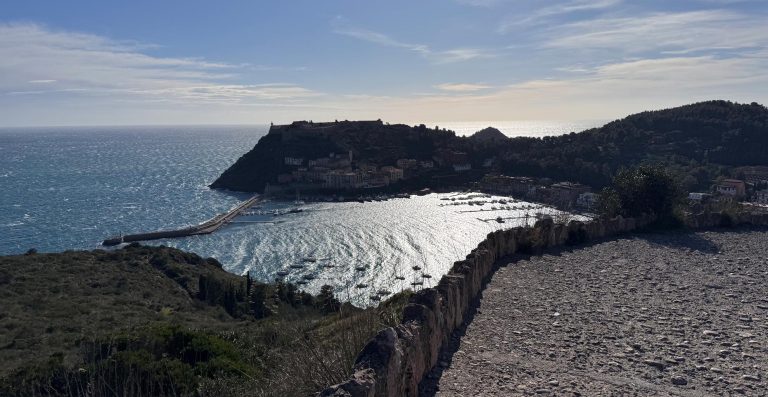
Looking out over the harbor
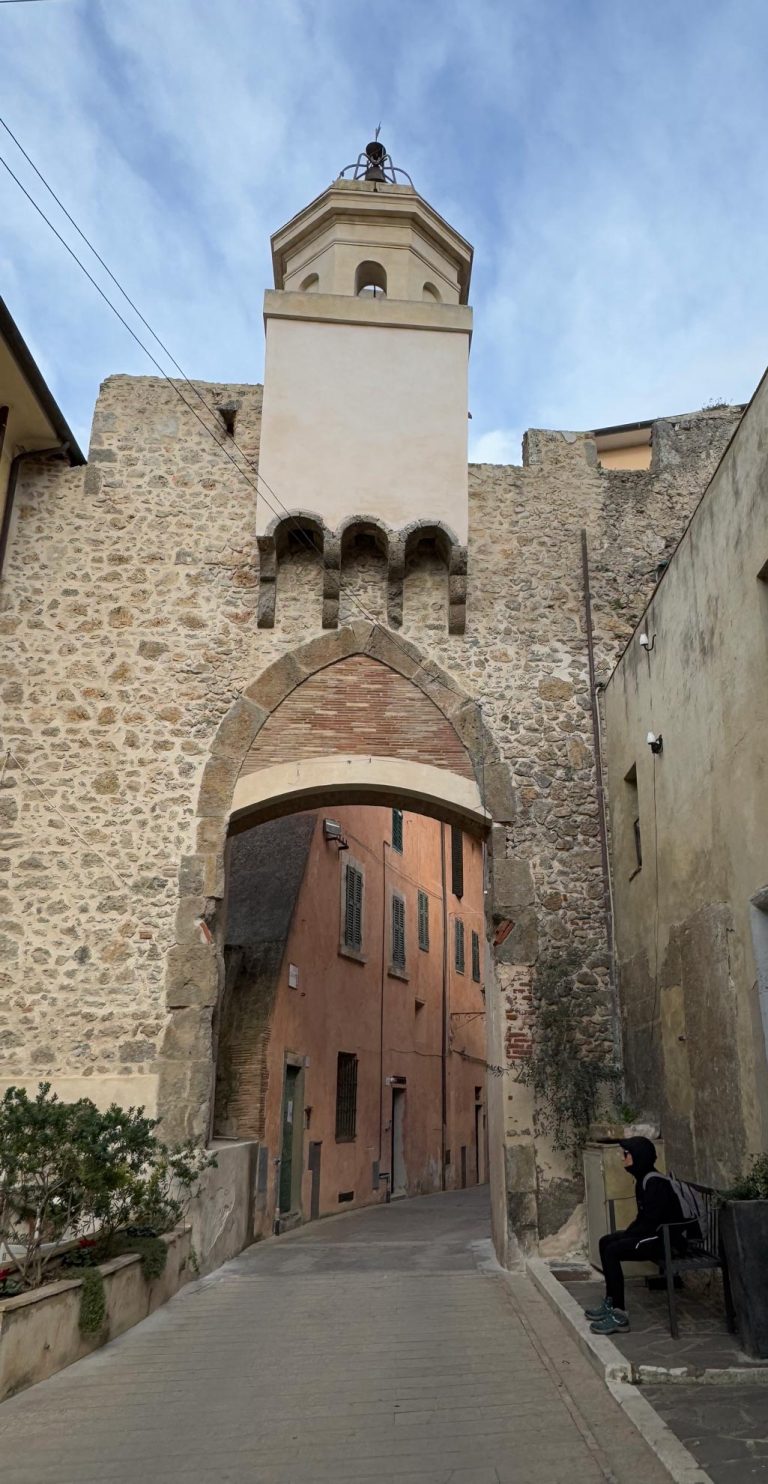
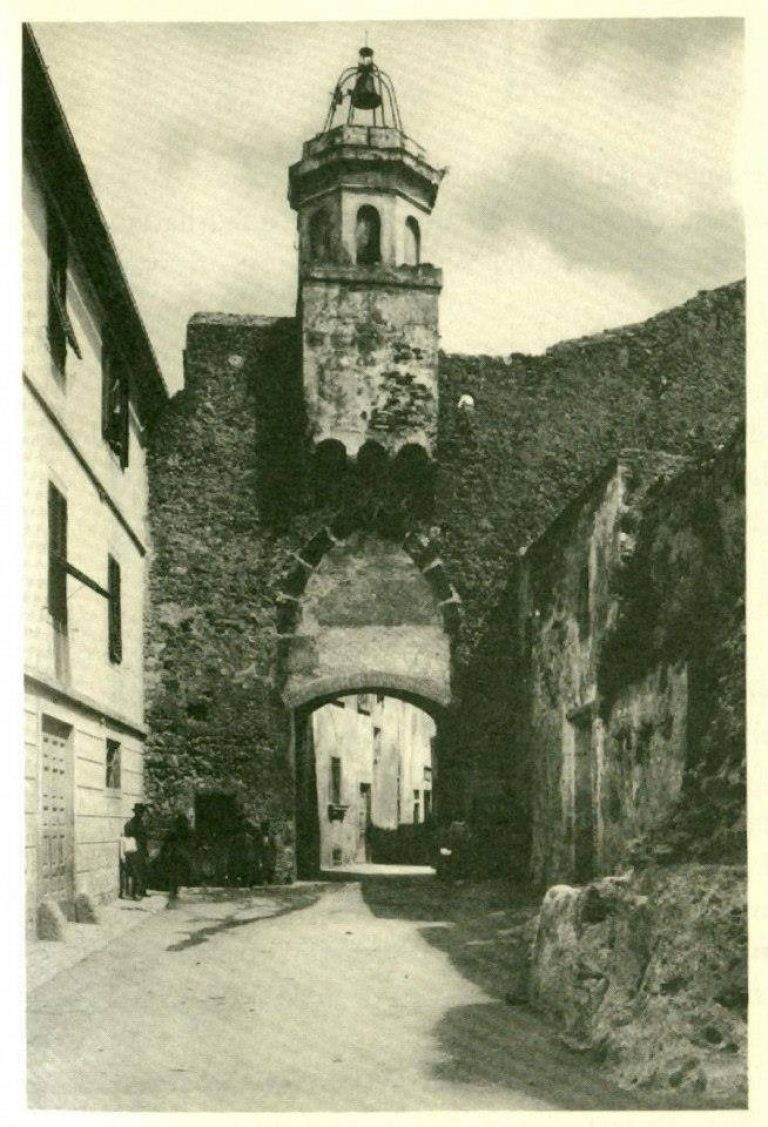
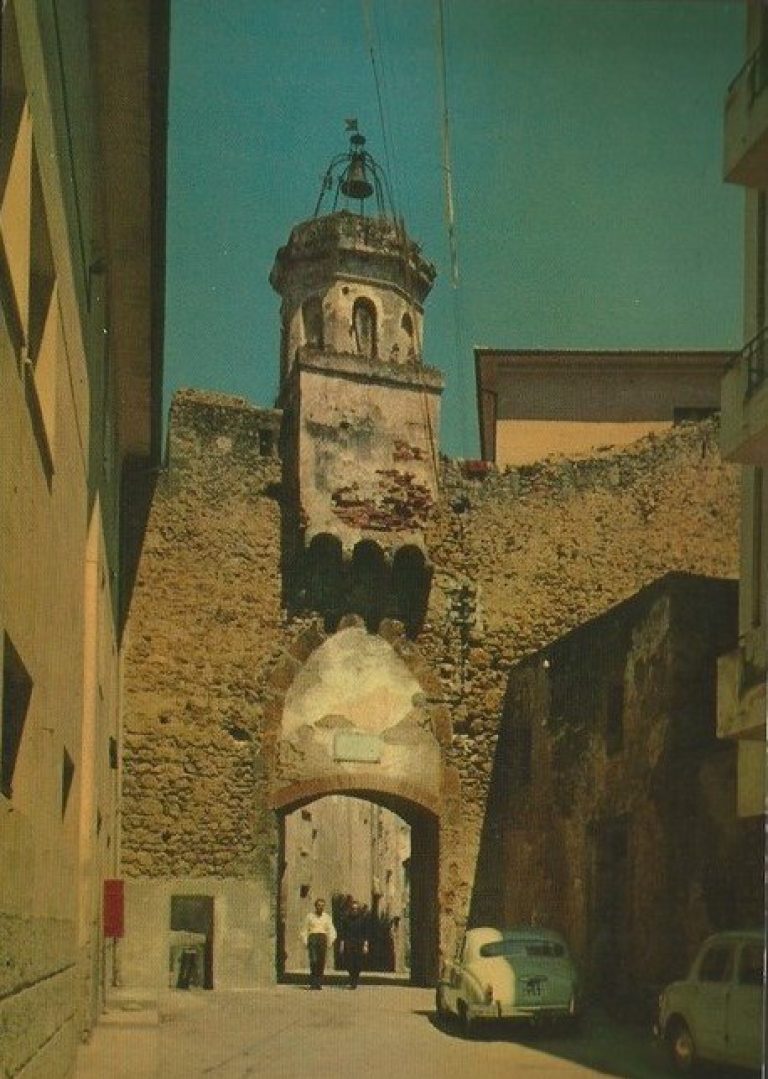
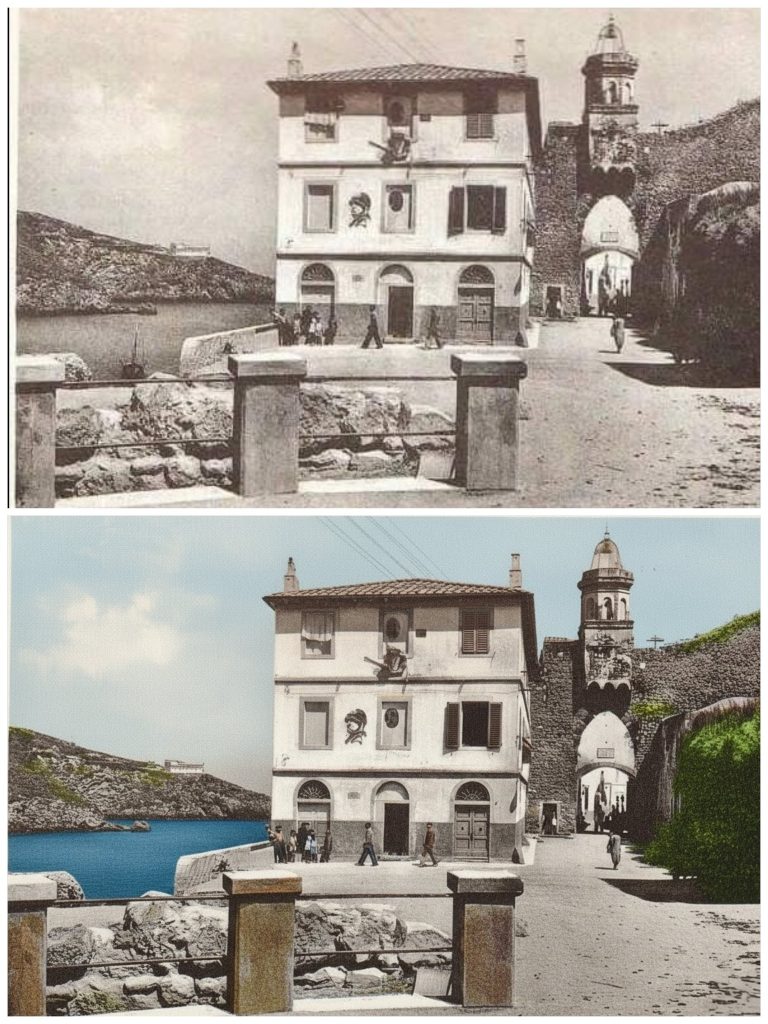
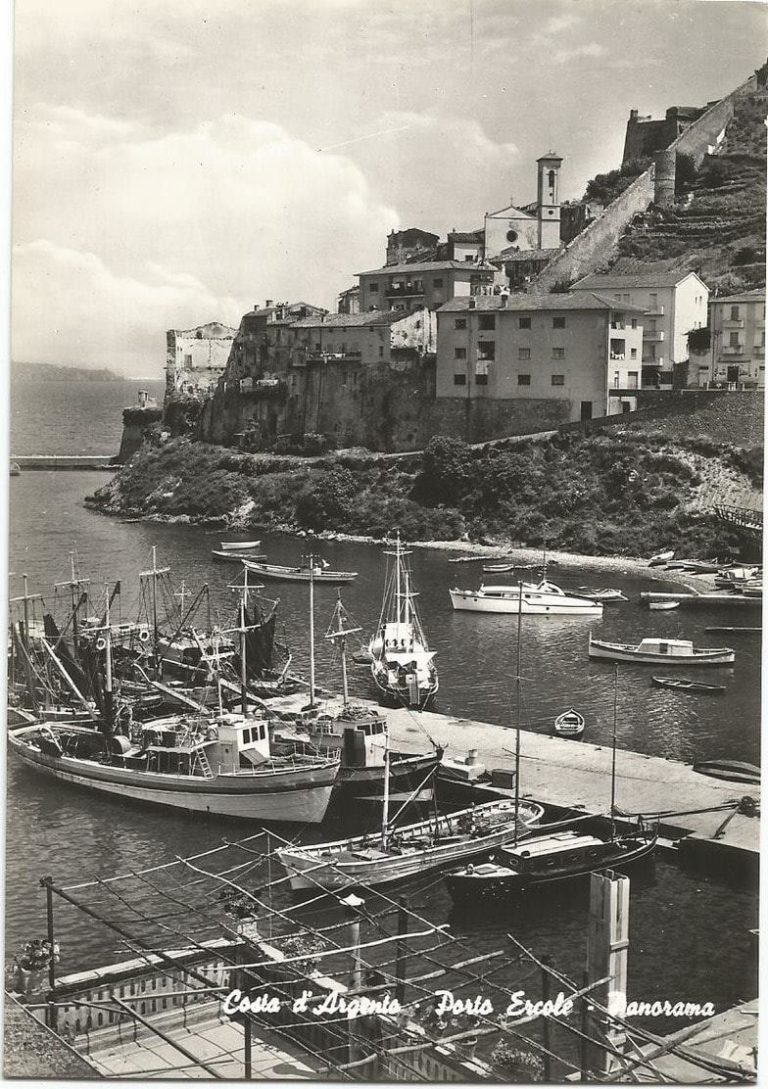
Coming out onto Corso Principe Amedeo, you can venture into the heart of the village all the way to the picturesque Piazza Santa Barbara, with the majestic Palazzo del Governatore. On your way out, you’ll pass through the historic Porta Senese, protected by a portcullis and topped by an octagonal bell tower dating from 1577. A short distance further on, to the left, stands the former chapel of Santa Maria di Monserrato, now a private residence.
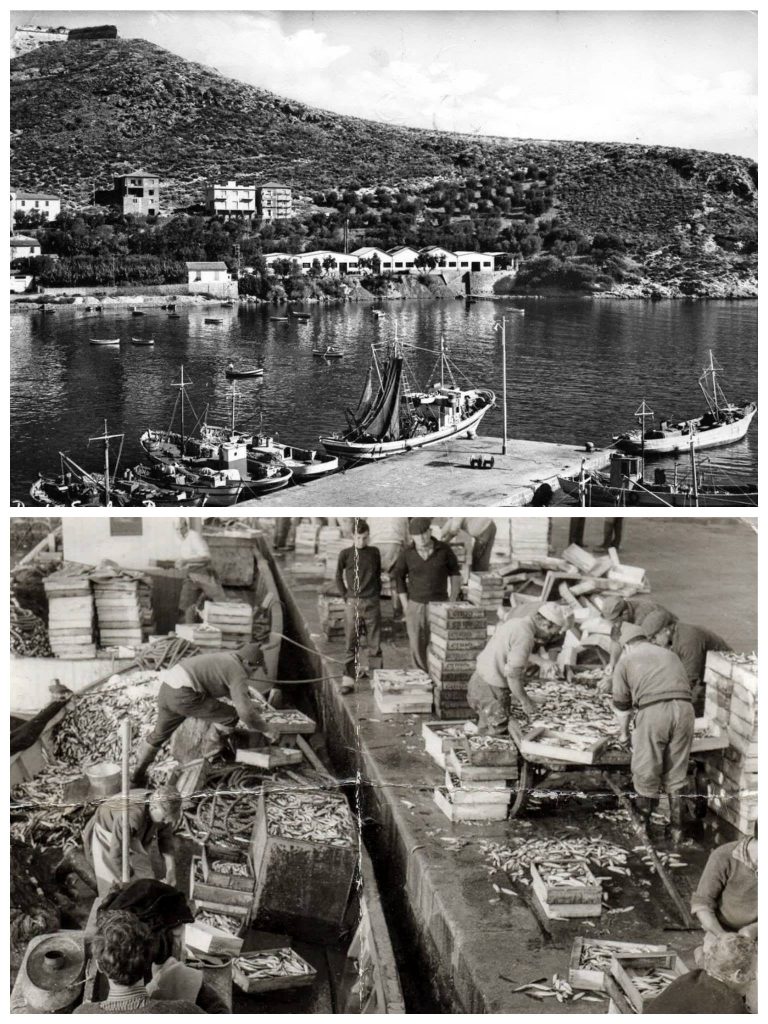
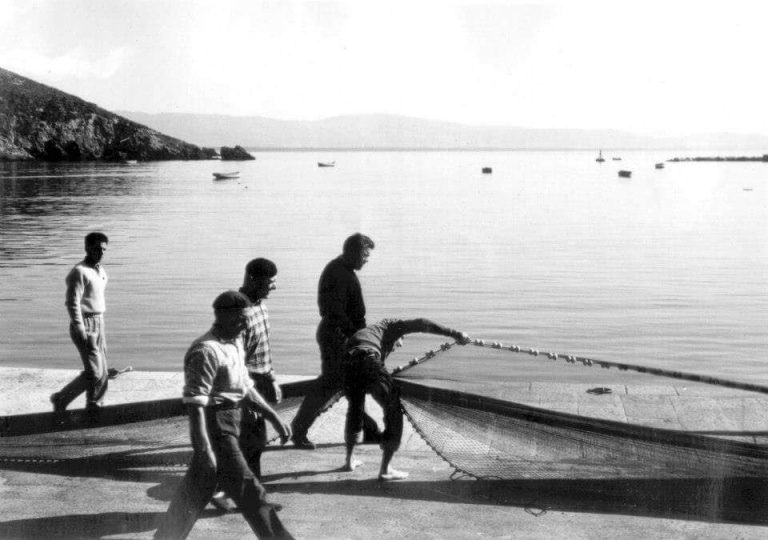
Past Piazza Ricasoli, take via dei Pescatori to reach the Lungomare Andrea Doria, the final destination and a place to rest after a journey through landscapes, fortifications, and unforgettable stories.
To provide the best possible experience, we use technologies such as cookies to store and/or access information on your device. By consenting to these technologies, we may process data such as your browsing behavior or unique identifiers on this site. Failure to consent or withdrawal of consent may adversely affect certain features.